Product Development
What to include in a sportswear tech pack
24 January 2026 · 7 min read
A tech pack is not a mood board and it is not a technical drawing. It is the document that removes ambiguity. Here is what has to be in it before a factory can quote accurately.
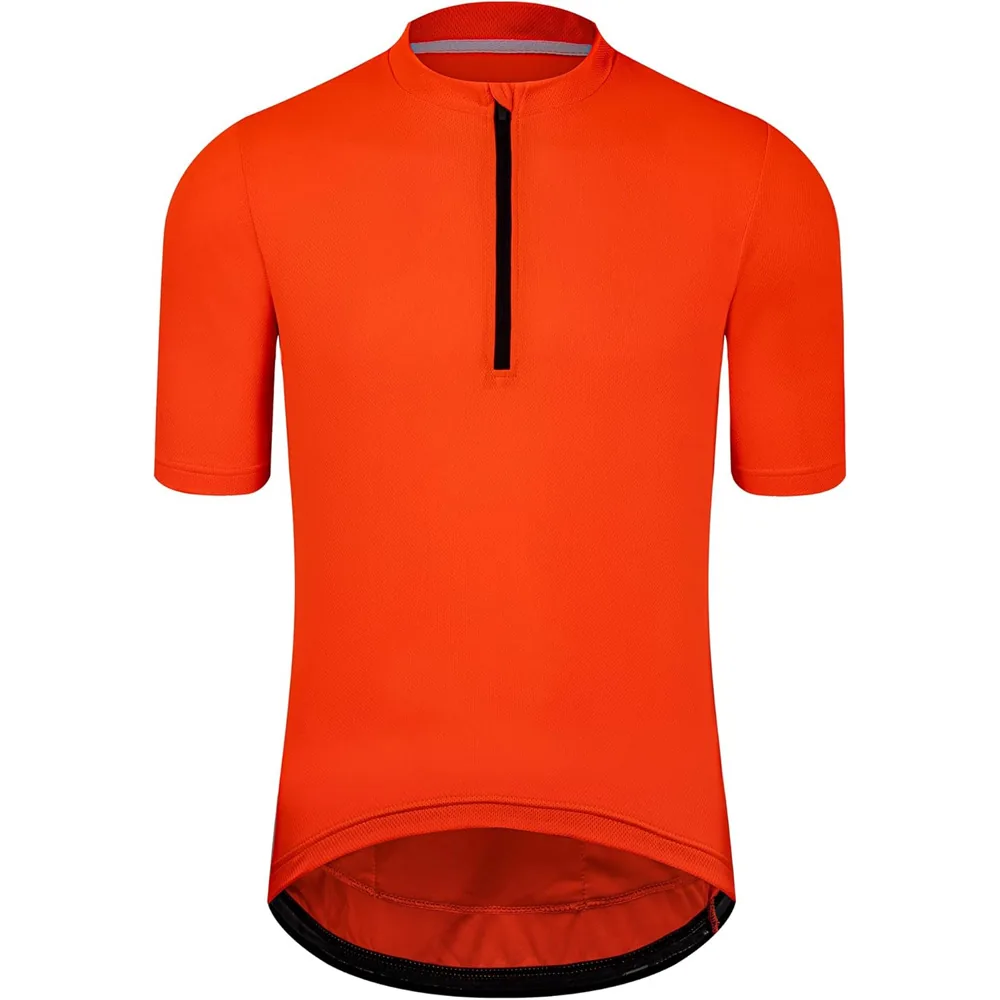
The purpose of a tech pack is narrow and useful: to remove decisions from the factory floor. Every ambiguity left in the document becomes an assumption made by someone who has never spoken to you, usually at the moment the garment is being cut.
You do not need a professionally drafted document to start. You do need the following to be unambiguous.
1. A flat sketch, front and back
It does not have to be beautiful. It has to show every seam, every panel line, every closure and every piece of trim. A photograph of a reference garment from front, back and side is a legitimate substitute and often clearer than a drawing.
2. A points-of-measure table
This is the part most often missing, and it is the part that decides whether the sample fits. Specify the measurements you care about and how they are taken. Chest measured one inch below the armhole is a different number from chest measured at the widest point.
- Tops: chest, body length from high point shoulder, shoulder width, sleeve length, armhole, neck opening, hem width, cuff width.
- Bottoms: waist relaxed and stretched, hip, front and back rise, inseam, thigh, knee, leg opening.
- State your tolerance. Half an inch on a chest is normal; if you need tighter, say so before sampling, not after.
3. Fabric specification
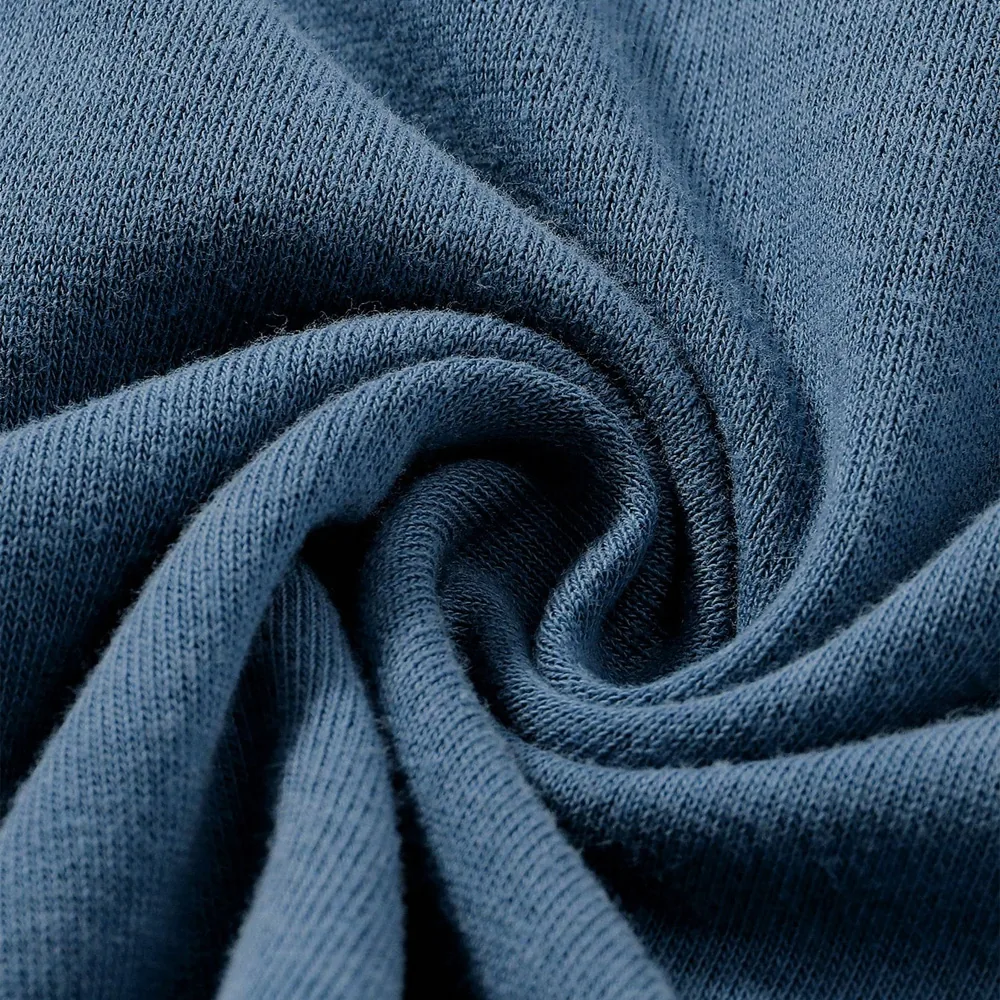
Composition and weight at minimum. "100% cotton, 320 gsm French terry" tells a factory far more than "heavyweight cotton". Add finish (brushed, garment-dyed, enzyme-washed), stretch requirement, and any performance property that actually matters for the end use.
If you cannot specify the fabric, say what the garment has to do. "Worn under a kit in cold conditions, needs to move with the body and not hold sweat" is an answerable brief. "Premium quality fabric" is not.
4. Construction notes
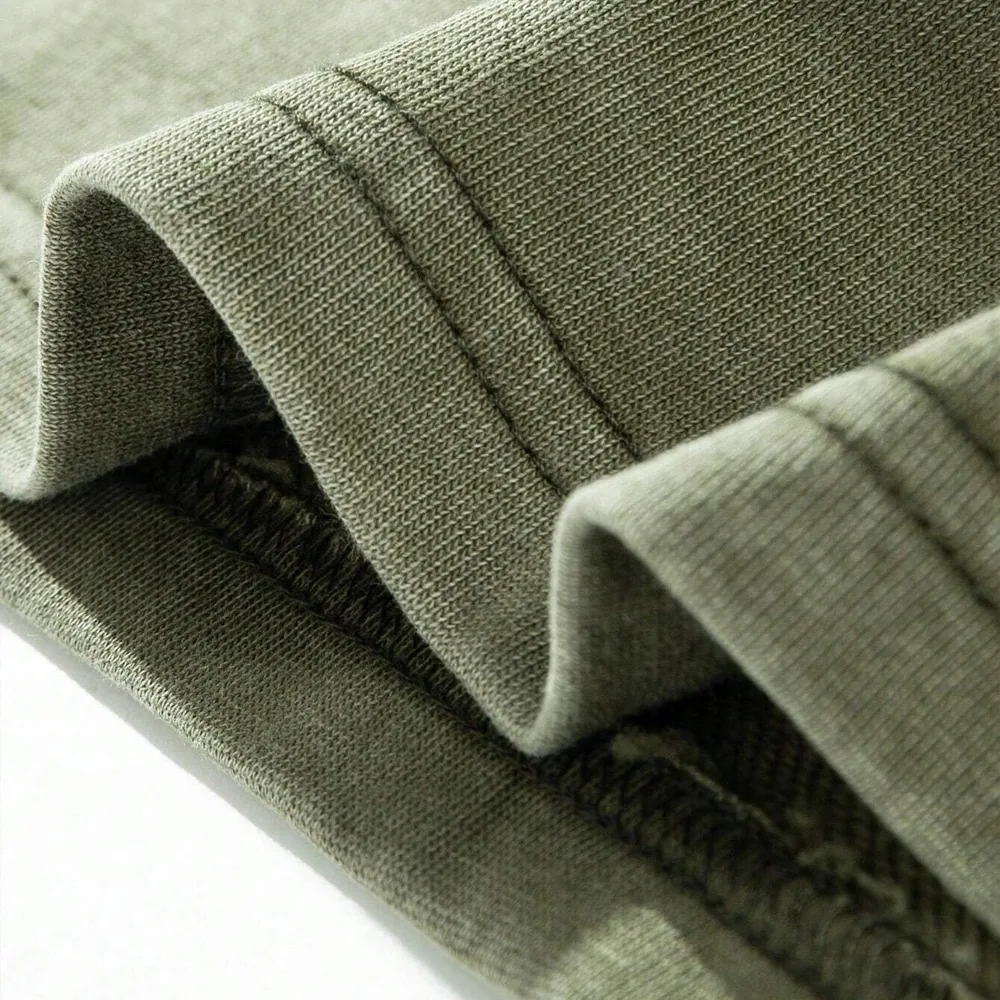
Seam types, stitch density, whether seams are flatlocked, overlocked or coverstitched, whether the neck is taped, whether hems are single or double needle. On performance wear this is not a detail. A flatlocked seam and an overlocked seam behave completely differently against skin under load.
5. Trims and hardware
- Zips: type, length, colour, brand if it matters, whether the puller is custom.
- Drawcords: material, width, tipping, whether there are stoppers.
- Elastic: width, type, whether it is enclosed or exposed.
- Labels: neck label type (woven, printed, heat transfer), care label content and placement, hang tag and where it attaches.
6. Artwork and placement
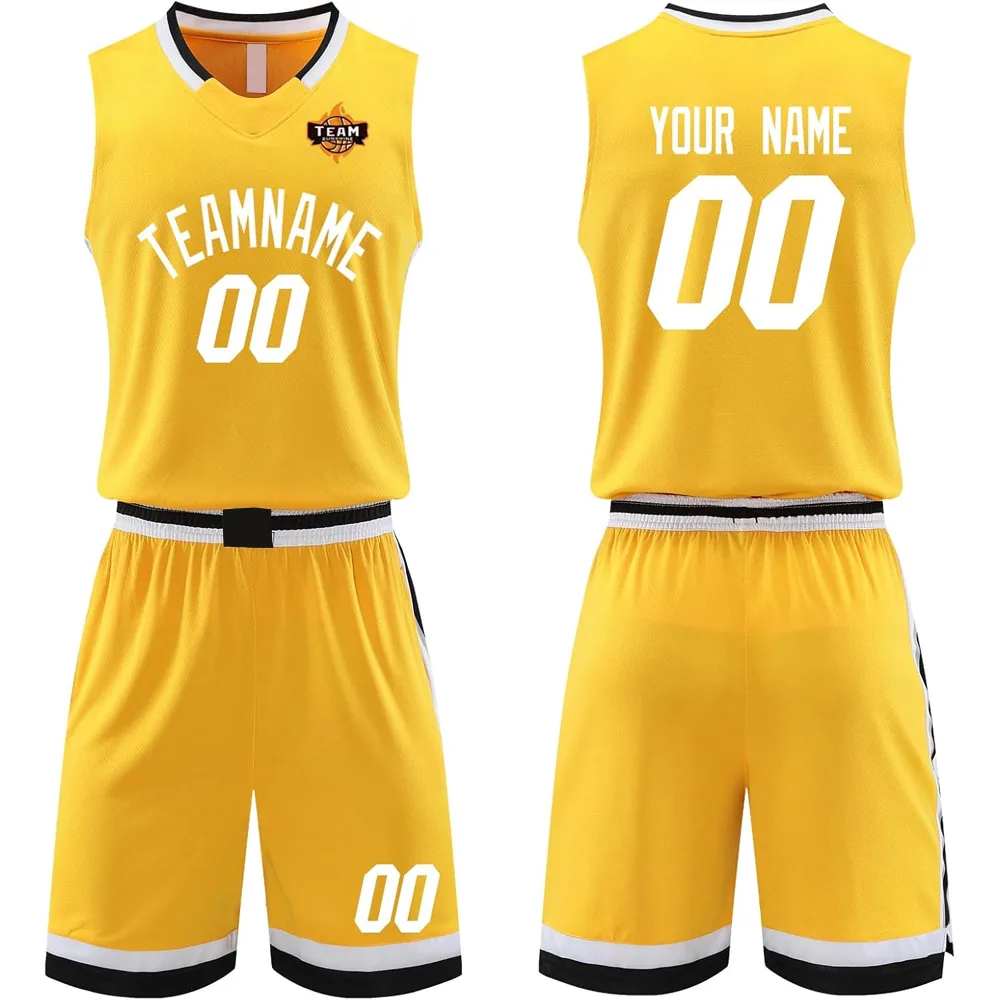
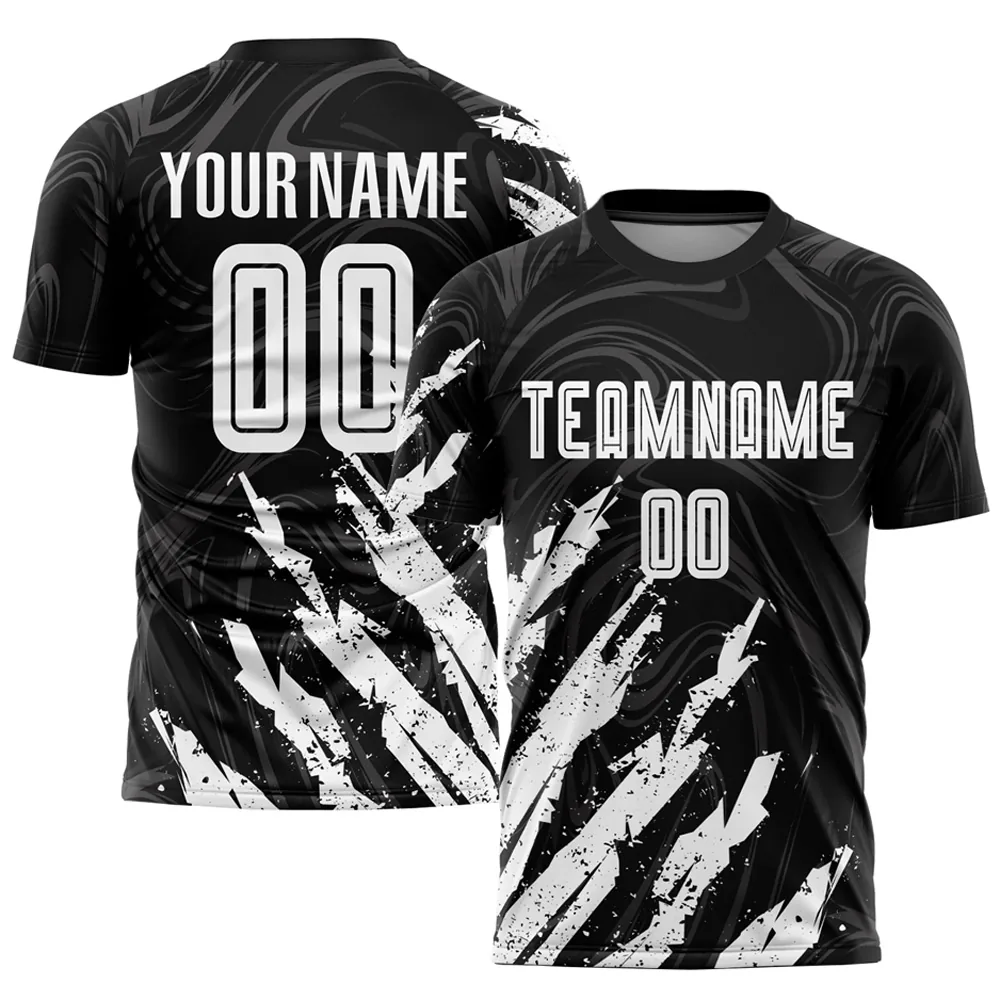
Supply artwork as vector where possible. Specify the decoration method (sublimation, screen print, embroidery, heat transfer or vinyl), because the same logo has to be prepared differently for each. Then give placement as a measurement from a fixed point, not as a position on a sketch. "Centred, 3 inches below the neck seam" survives a size run. "Here, roughly" does not.
7. Size range and grading
List the sizes you want and how the measurements step between them. If you do not have a grade rule, say so. It is a normal thing for a factory to develop, but it needs to be scoped rather than assumed.
8. Colourways and quantities
Give colour references you can both check against: a Pantone number, a physical swatch, or a reference garment. Screenshots of a colour are not a reference. Then state quantity per size per colourway, because the split affects cost more than the total does.
What to do if you have none of this
Send the reference garment and describe the end use. A sample can be developed from a physical piece and a conversation. The tech pack then gets written from the approved sample, which is a considerably easier document to produce, and a considerably more accurate one.