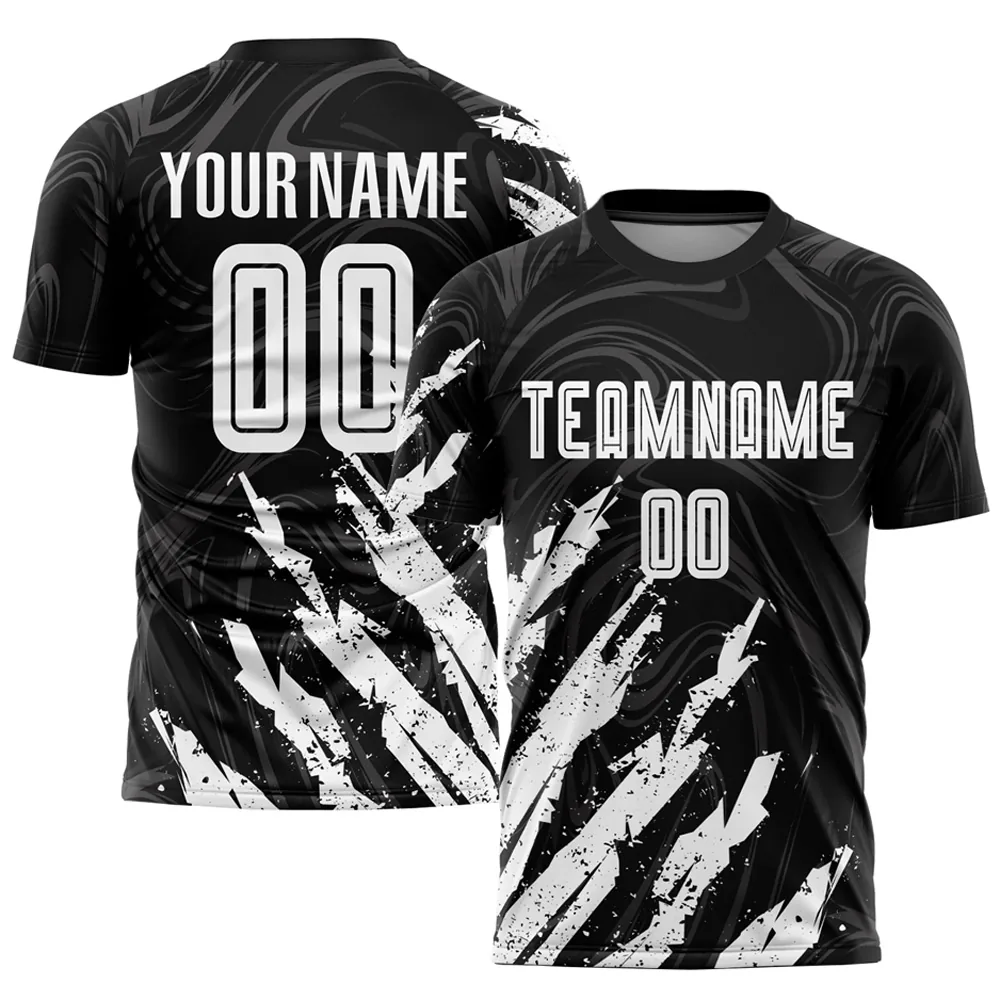
Manufacturing
From concept
to production.
Eleven stages between a brief and a packed carton. Each has a defined output, and the approved sample is the reference every bulk garment is measured against.
Stage by stage
What each stage actually produces.
A stage that does not produce something reviewable is not a stage. These are the outputs you should expect to see.
01
Brief
You send what you have: a sketch, a tech pack, a reference garment, a photograph, or just a description and a quantity. We come back with what is missing before quoting, not after.
02
Product development
We read the construction: seam types, panel count, closures, trims, and how the branding has to sit. Where a reference exists, we work back to a specification that can be cut and sewn repeatably.
03
Material selection
Fabric is chosen for the end use: weight, composition, stretch, hand feel and finish. We send options with swatches so the choice is made on the material, not on a description of it.
04
Pattern & sampling
Patterns are graded and a sample is produced in the actual fabric and construction. This is the garment that gets judged, not a mock-up.
05
Approval
You review fit, colour, print position and trims. Comments come back, the sample is corrected, and the approved piece becomes the reference every bulk garment is measured against.
06
Cutting
Markers are planned to the approved pattern and fabric is cut in lays, so panels stay consistent across the run rather than drifting size to size.
07
Printing & embroidery
Sublimation prints graphics into the fabric before assembly, so nothing cracks or peels. Embroidery, screen print, heat transfer and cut vinyl are applied where the design calls for them.
08
Stitching
Garments are assembled in-house against the approved construction. The seam types, stitch density and finishing are the ones signed off at sample stage.
09
Quality control
Pieces are inspected and measured against the approved sample. Anything outside tolerance is pulled and corrected before it reaches packing.
10
Packing
Folded, bagged and cartoned to your requirement, including your own labels, hang tags and polybag artwork where the programme calls for it.
11
Export
Cartons are marked and documented for shipment. Freight method and terms are agreed per order rather than assumed.
In-house
Under one roof, not across three subcontractors.
When cutting, decoration and assembly sit on the same floor, a problem found at stitching can be traced back to cutting the same day. That is the practical argument, and it is the reason we keep these processes ourselves.
Inside the factory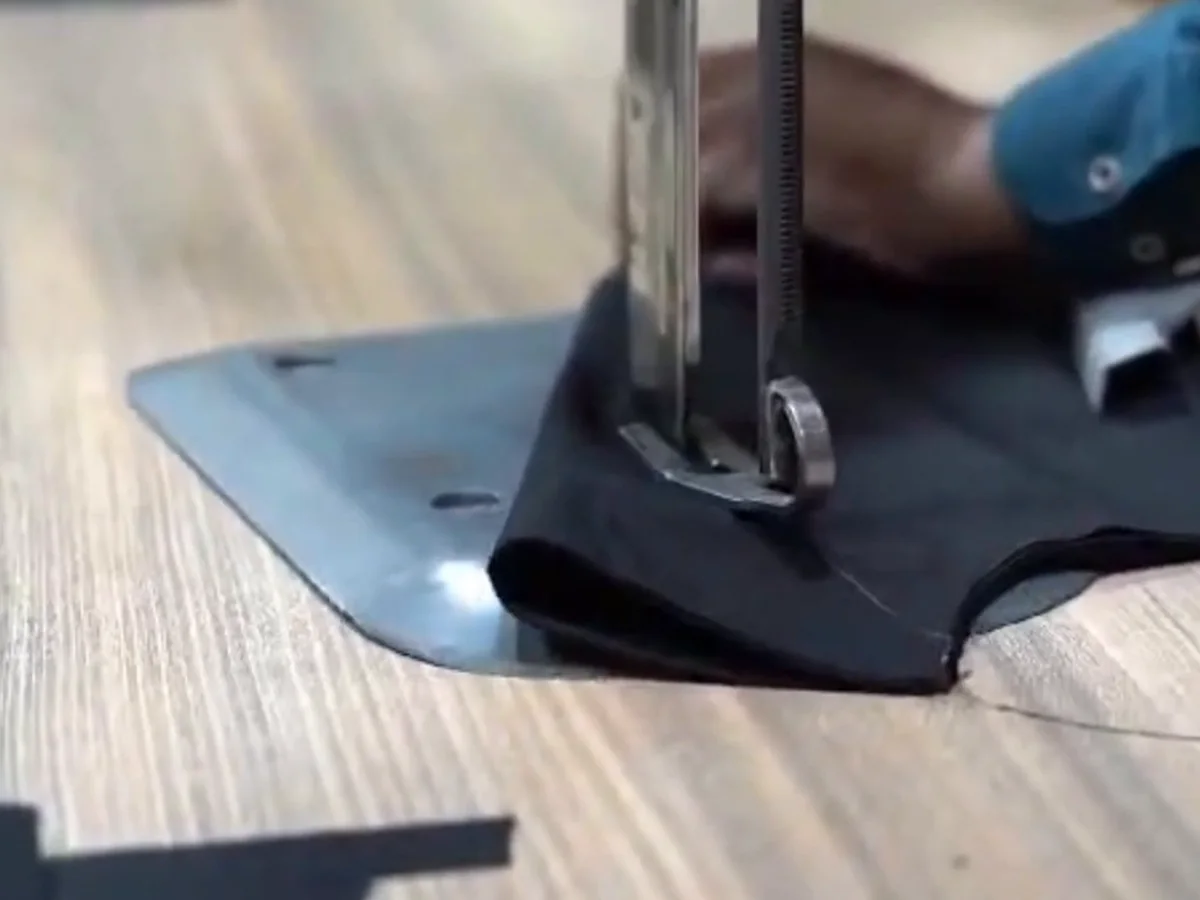
01
Cutting
Marker planning and fabric cutting against the approved pattern, so every panel in a run is repeatable.
02
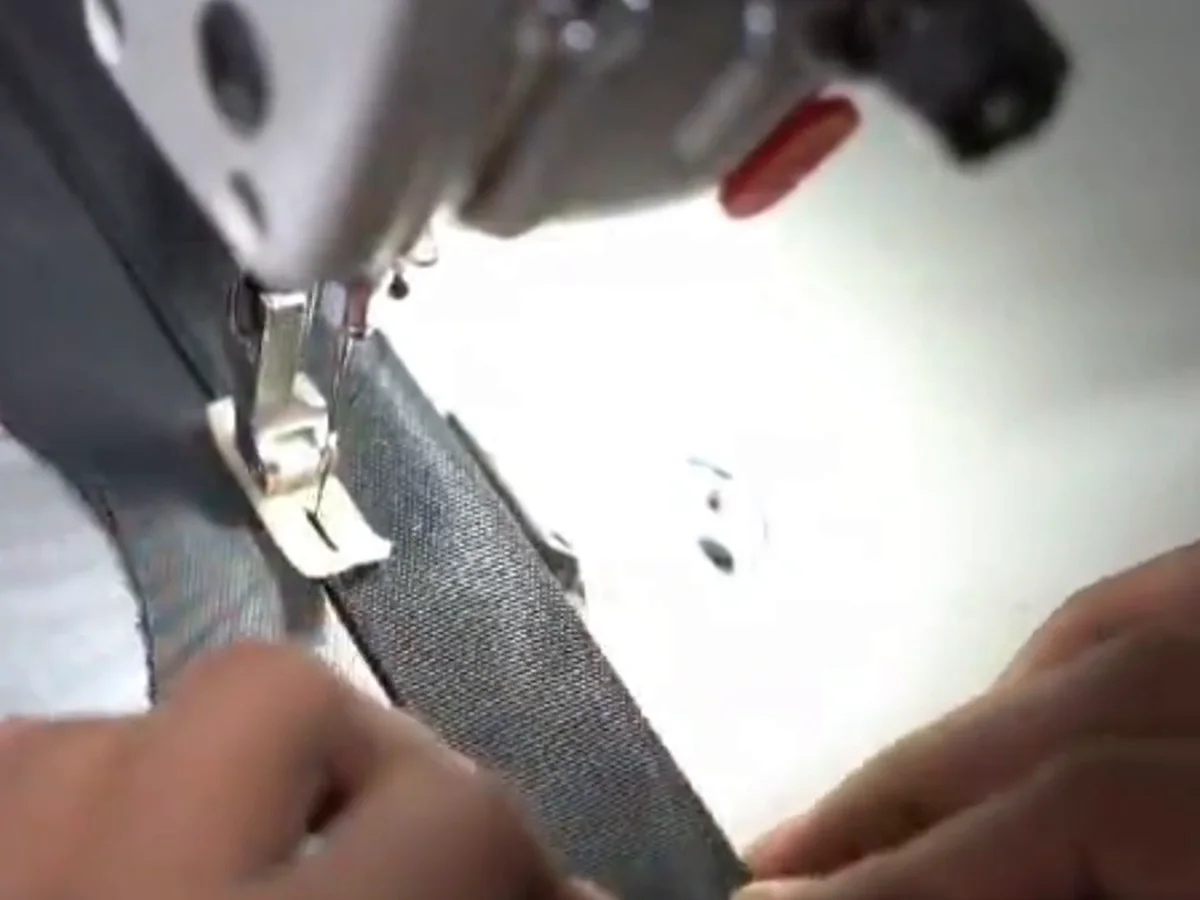
Stitching
Garment assembly in-house. The construction, seam types and finishing are controlled on our own floor, not subcontracted.
03
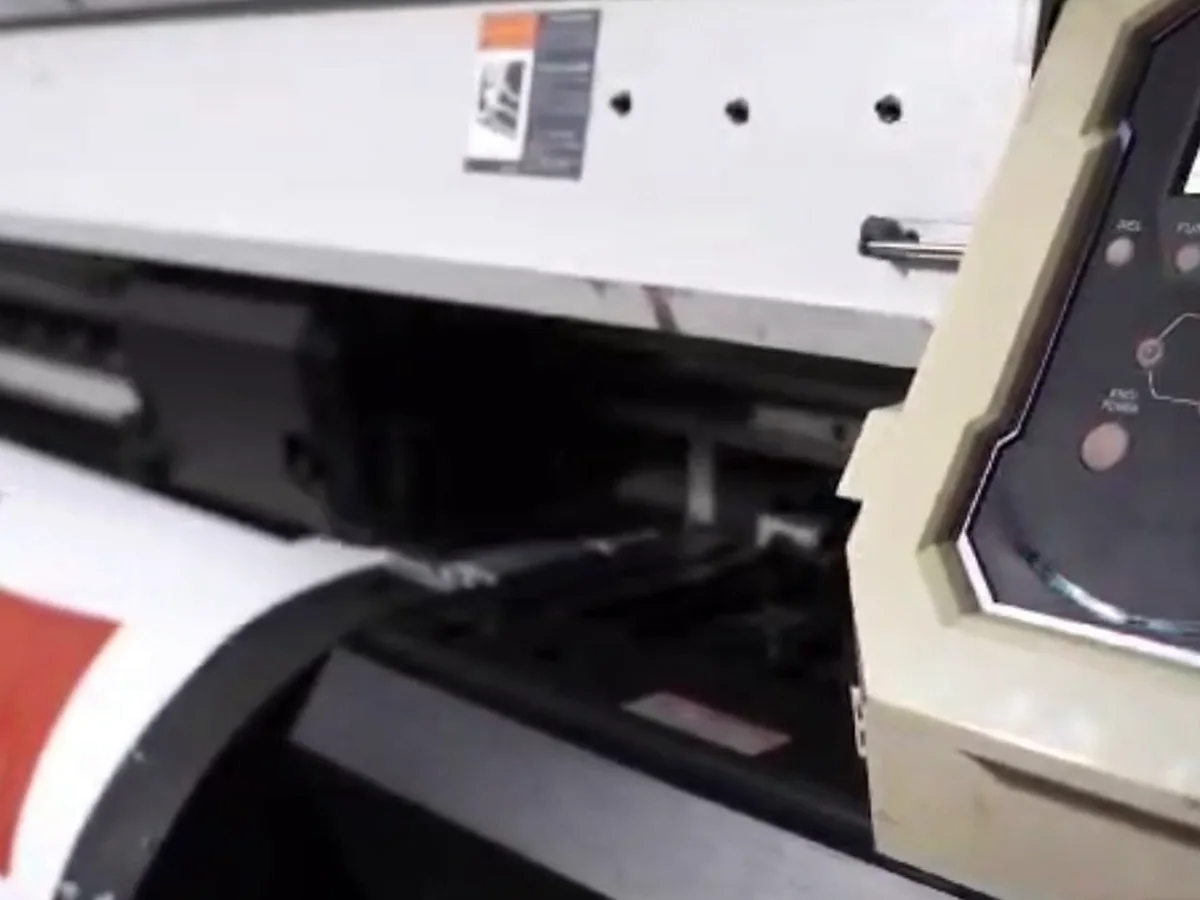
Sublimation Printing
All-over dye sublimation for kits and performance wear. Graphics are printed into the fabric, so they will not crack or peel.
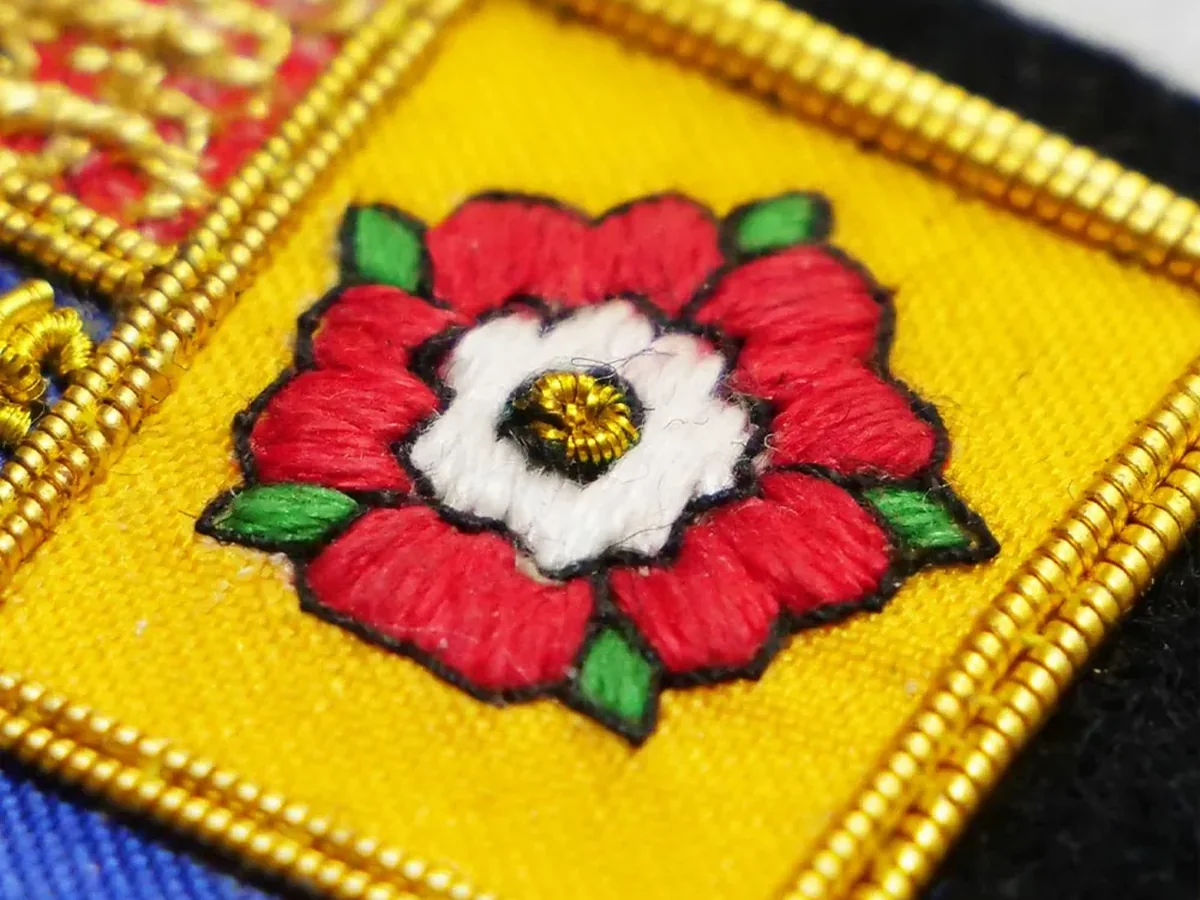
Finished hand-embroidered badge
04
Embroidery
Digitised embroidery for logos, crests, team names and numbers, on flat panels and finished garments.
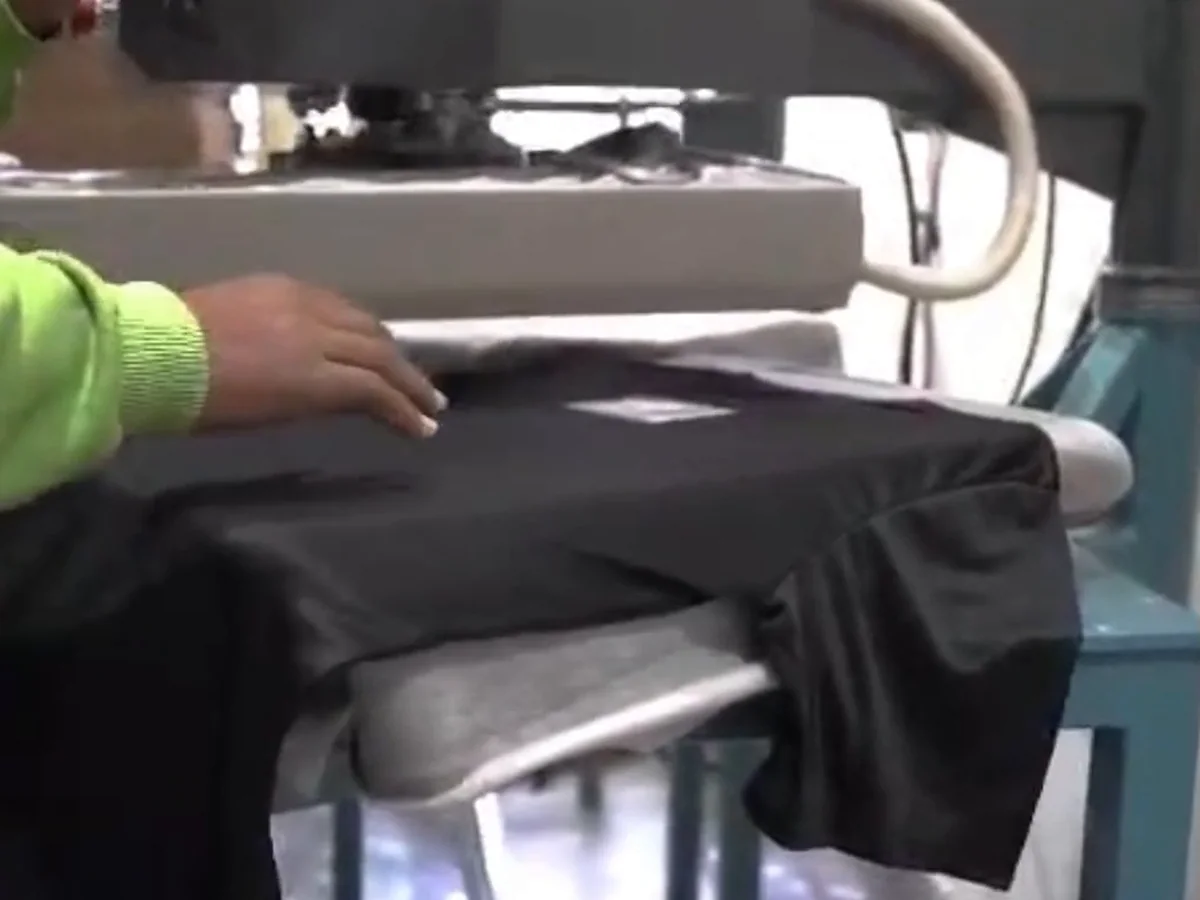
05
Screen Print, Heat Transfer & Vinyl
Flat printing and applied graphics: screen print, heat transfer and cut vinyl for names, numbers and sponsor marks.
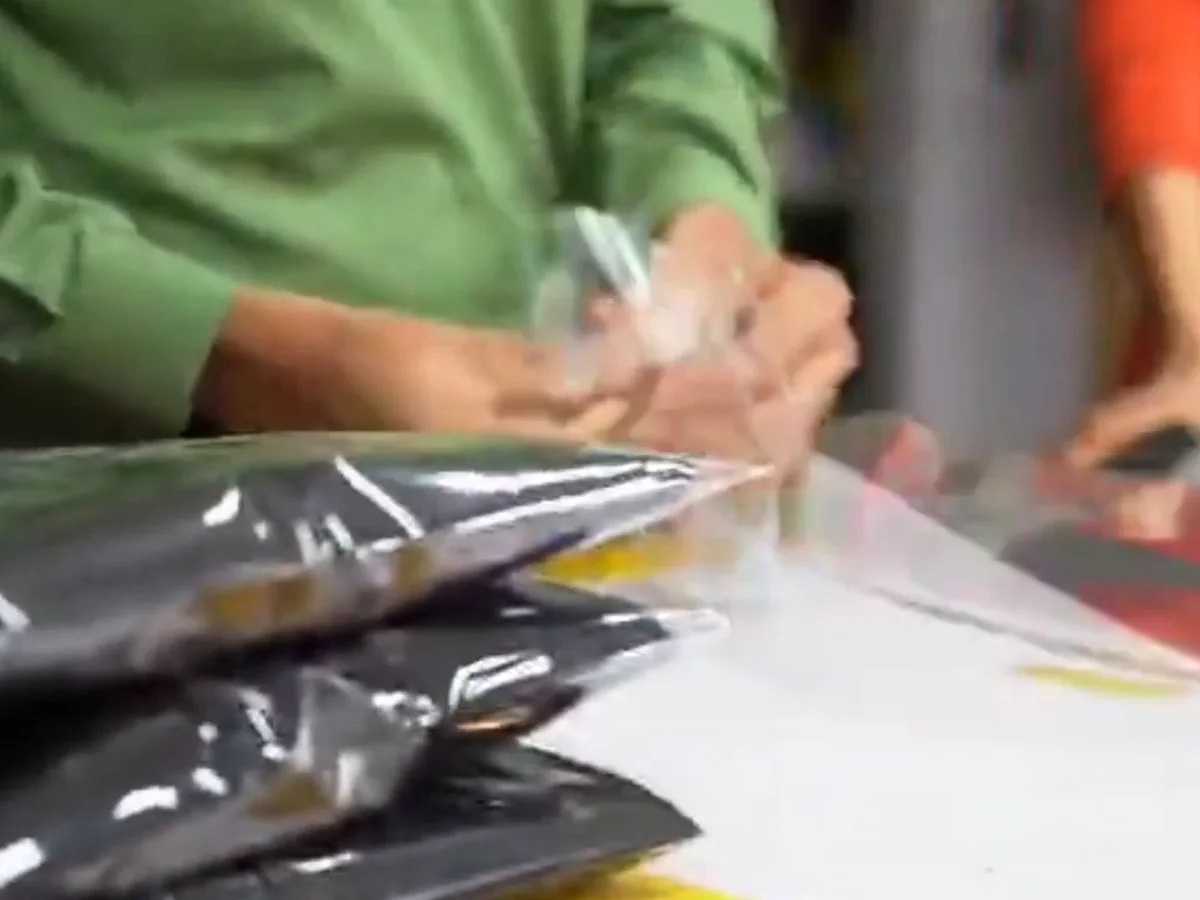
06
Quality Control & Packing
Inspection and measurement against the approved sample before garments are folded, bagged and packed for export.
Questions buyers ask.
Some of these have a number attached and some do not. Where we have not published a figure, it is because it varies by project.
Ask us directly- Do I need a tech pack to start?
- No. A reference garment, a sketch or a clear description of the end use is enough to begin development. The tech pack is often written from the approved sample rather than before it.
- What is your minimum order quantity?
- MOQ is agreed per project, because it depends on the fabric, the number of colourways and the decoration method rather than on a single blanket figure. Tell us the garment and quantity you have in mind and we will tell you whether it works.
- How long does production take?
- Lead time is quoted per project once the specification is settled. Sampling rounds, fabric availability and decoration method all move it, so a figure quoted before those are known would not be one we could hold.
- Which processes do you run in-house?
- Cutting, stitching, sublimation printing, embroidery, screen print, heat transfer and cut vinyl, plus inspection and packing. If a project needs a process outside that list we will say so rather than quietly subcontracting it.
- Can you manufacture a product based on a sample I send?
- Yes. We review the construction, materials and branding of a reference and develop a production specification around your requirements. We manufacture to your specification and do not reproduce other companies’ trademarked designs or branding.
Manufacturing
Start manufacturing.
Send the garment, the quantity and the branding requirement. We will tell you what is missing before quoting, so the number you get is one we can stand behind.