Fabrics
Choosing fabric for performance wear
9 December 2025 · 7 min read
Weight, composition, knit structure and finish do most of the work. Here is how to read a fabric specification and match it to what the garment actually has to survive.
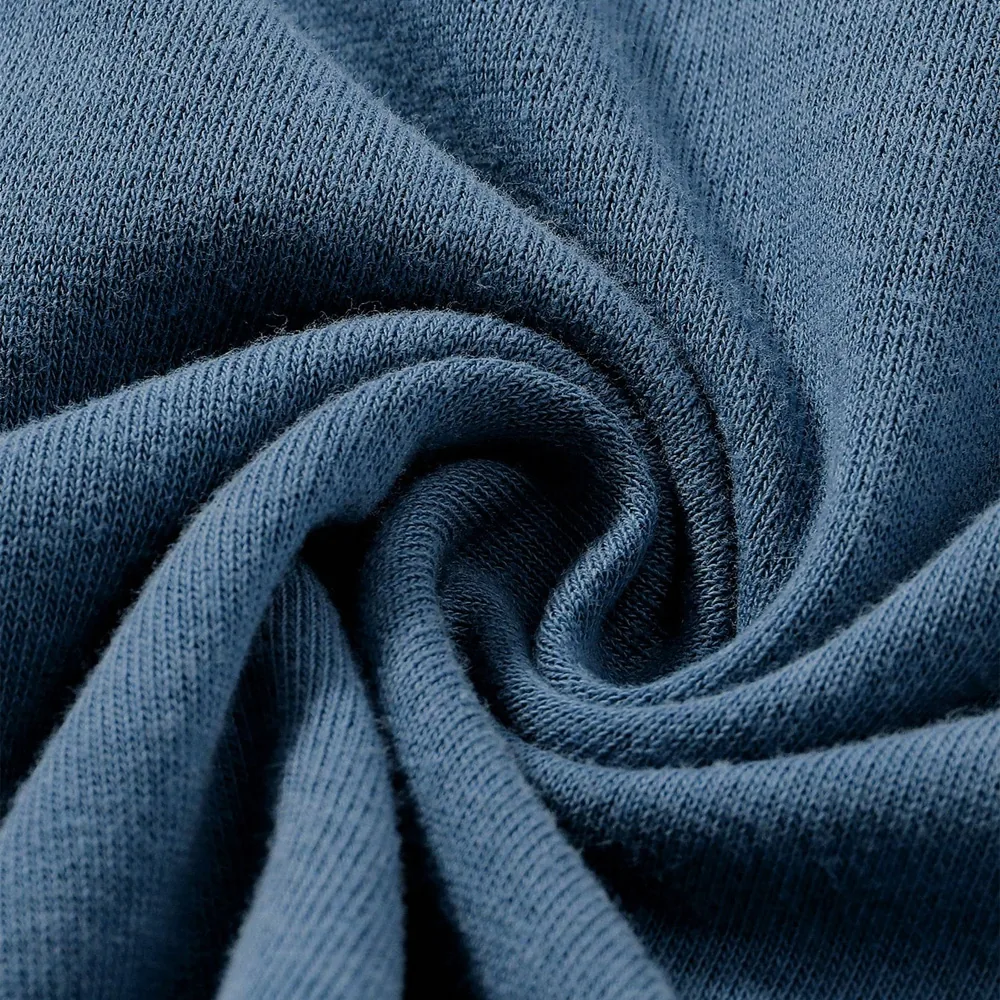
Most fabric conversations go wrong in the same way: the buyer describes a feeling and the factory quotes a number. "Soft, premium, breathable" and "160 gsm, 88/12 polyester elastane interlock" are both valid descriptions, but only one of them can be ordered.
Weight is the first decision
GSM (grams per square metre) sets the character of the garment before anything else. It is the number to fix first, because it constrains everything downstream.
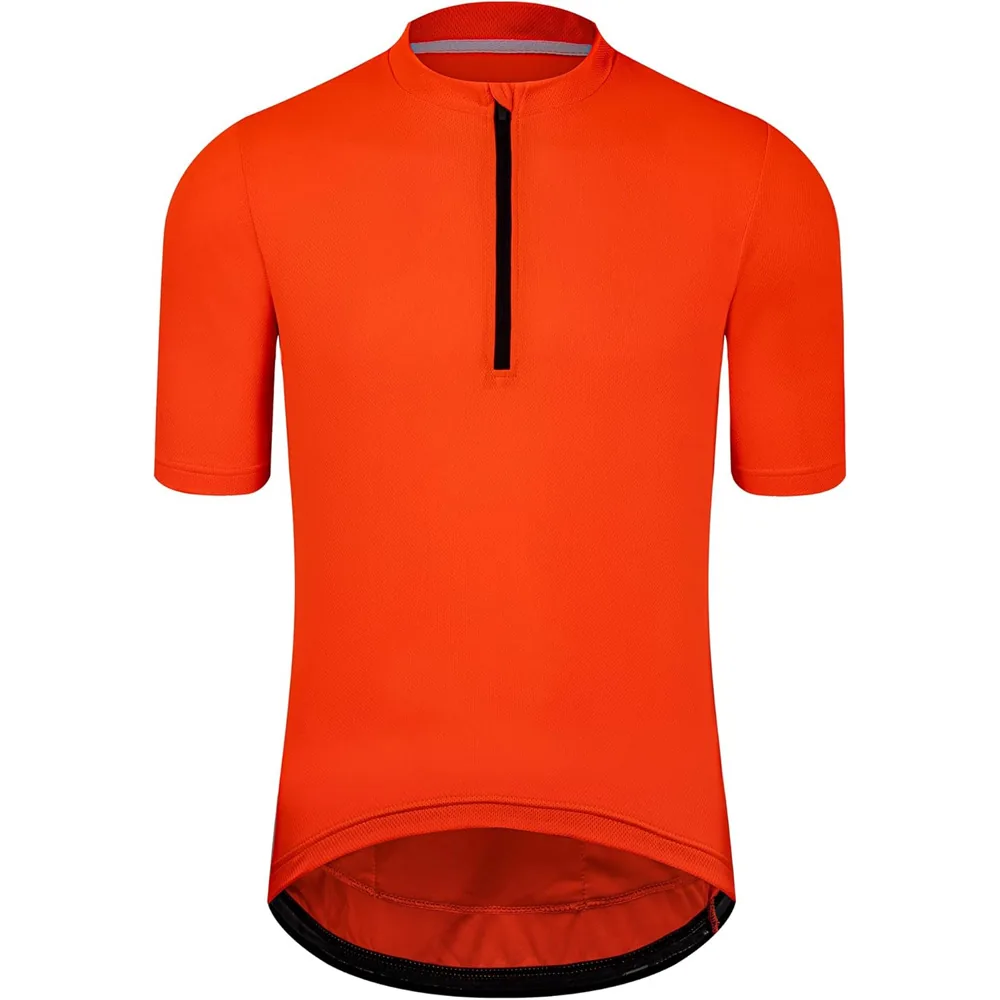
- 110–150 gsm: lightweight jerseys, match kits, summer tees. Fast drying, drapes close, shows construction faults.
- 150–200 gsm: standard tees, polos, mid-weight base layers. The safe general-purpose band.
- 200–280 gsm: substantial tees, lighter sweatshirts, mid-layers.
- 280–400 gsm: hoodies and sweats with real body. Above roughly 350 gsm a garment starts to read as premium heavyweight and cut becomes more demanding.
- 400 gsm and up: heavyweight streetwear fleece. Handsome, expensive, and unforgiving of a poor pattern.
Composition decides behaviour
Polyester
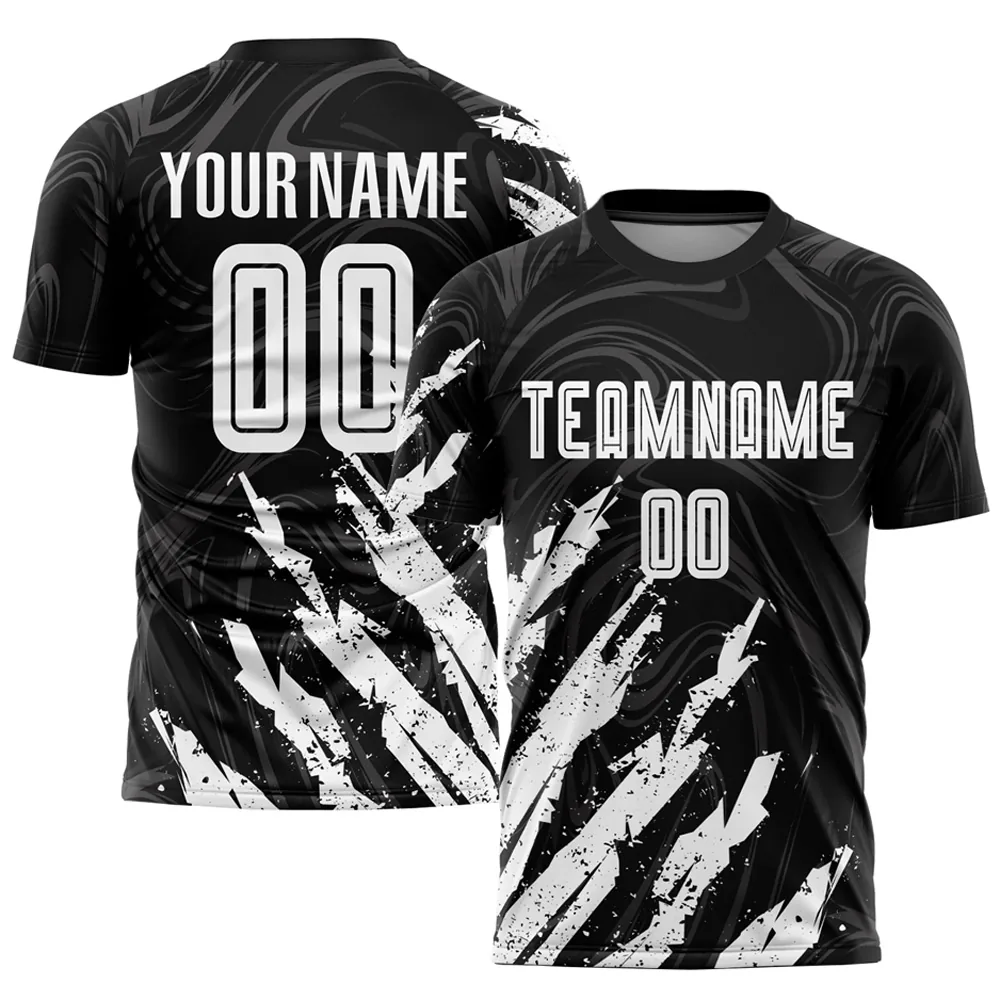
The default for performance. It moves moisture rather than absorbing it, dries fast, holds colour, and is the only realistic base for dye sublimation. It also holds odour more readily than natural fibres and can feel plasticky at low quality.
Cotton
Comfortable, breathable and the right answer for casualwear and off-pitch product. Wrong for sustained high-output activity: it absorbs sweat, holds it, and gets heavy and cold.
Blends
Poly-cotton buys hand feel at some cost to drying speed. Cotton-poly-elastane is the standard for stretch casualwear. For anything that has to move with the body, 5–12% elastane is the working range. Below that you feel little, above it the fabric starts to fight recovery.
Nylon
Stronger and more abrasion-resistant than polyester, with a smoother hand. Common in shells, outerwear and anything that takes friction. More expensive, and it does not sublimate.
Knit structure is the overlooked variable
Two fabrics with identical composition and weight can behave completely differently depending on how they are knitted.
- Single jersey: light, drapes, curls at raw edges. Standard tee fabric.
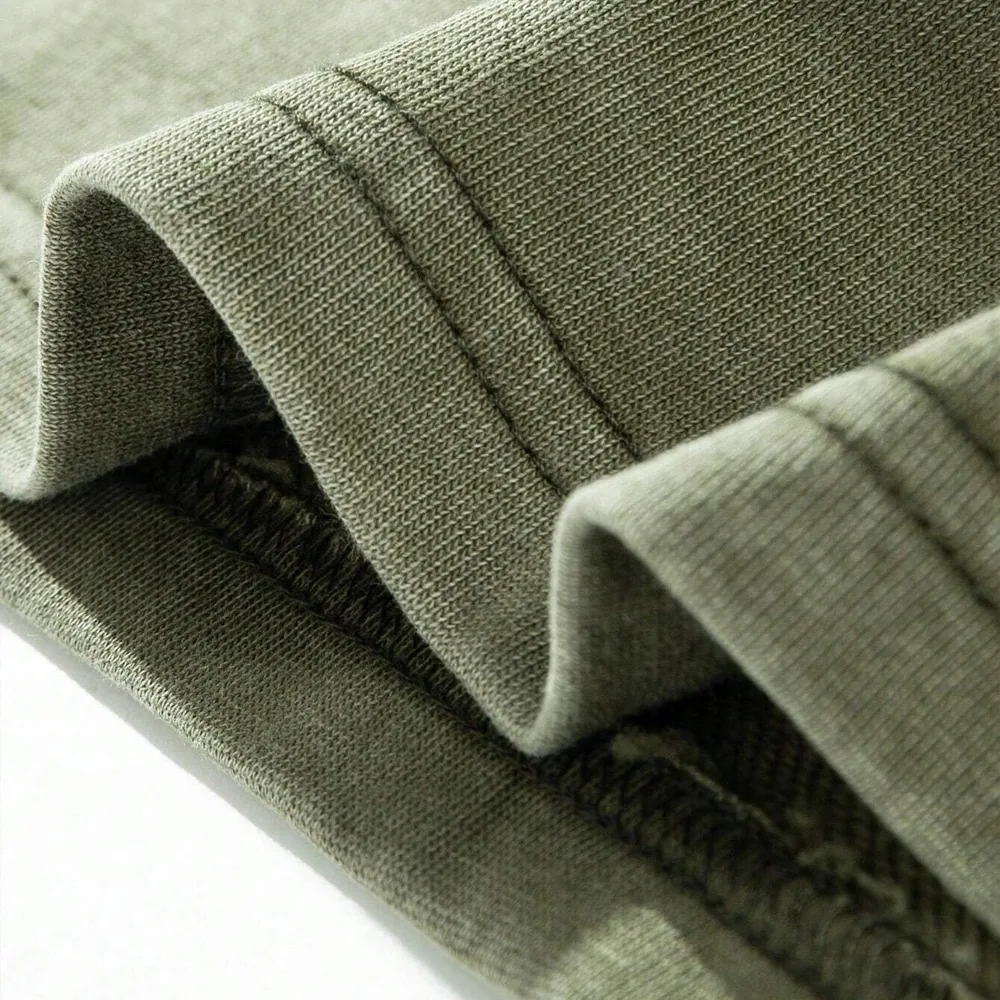
- Interlock: double-knit, stable, smooth both sides, no curl. Better for fitted performance tops.
- Piqué: textured, breathable, structured. The polo shirt fabric.
- French terry: looped back, absorbent, mid-weight. Sweats and joggers.
- Fleece: brushed back, traps air, warm. Hoodies and cold-weather layers.
- Mesh and eyelet: open structure for ventilation panels.
If a garment has to stretch in one direction only, say so. Two-way and four-way stretch are different fabrics with different prices, and "stretchy" does not distinguish them.
Finishes do real work
Moisture-wicking, antimicrobial, water-repellent, anti-pilling and brushed finishes are applied treatments, not inherent properties. Some are durable through many washes; some degrade quickly. Ask how a finish is applied and how many washes it is rated for, because the honest answer varies a great deal.
How to brief it when you do not know
Describe the end use precisely and let the factory propose. Indoor court sport in a hot hall, worn for ninety minutes, washed after every use, is a specification. So is worn as a mid-layer under a shell in freezing conditions. From either of those a factory can put two or three real options in front of you with swatches, and a swatch you can handle settles the question faster than any amount of description.