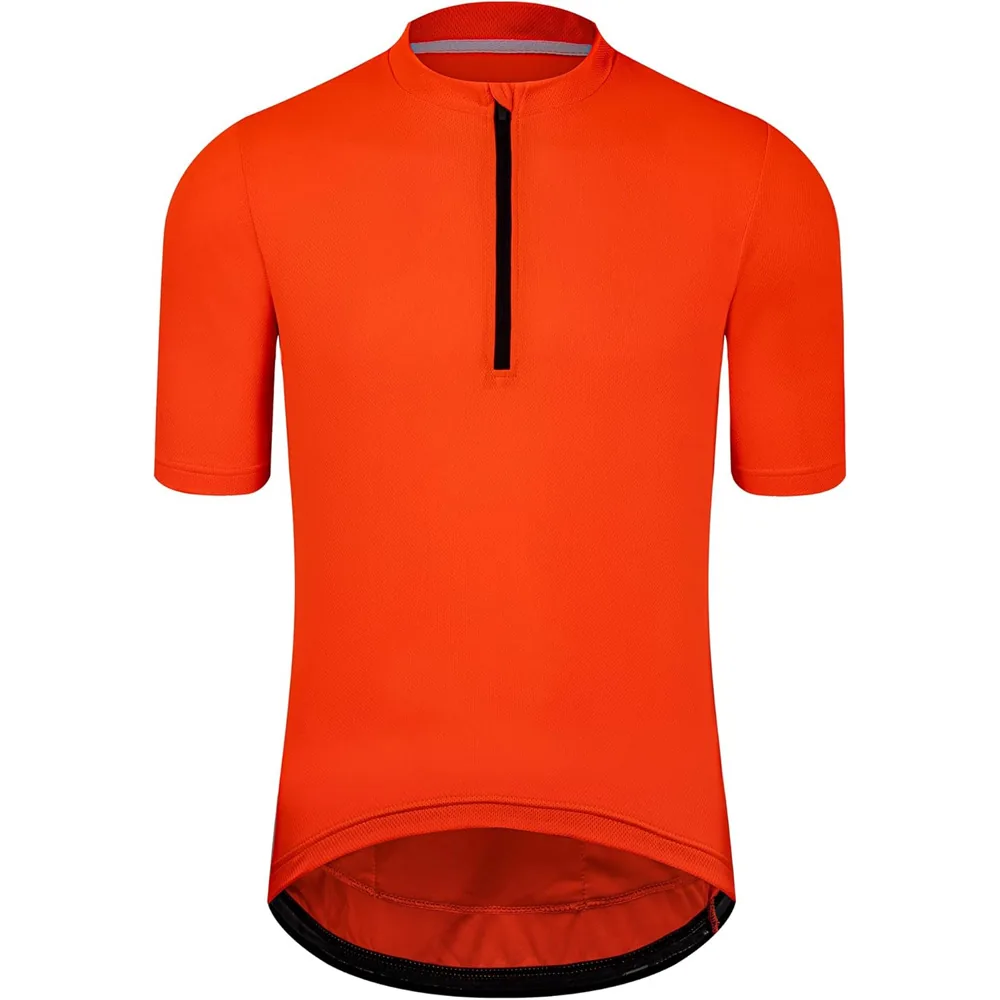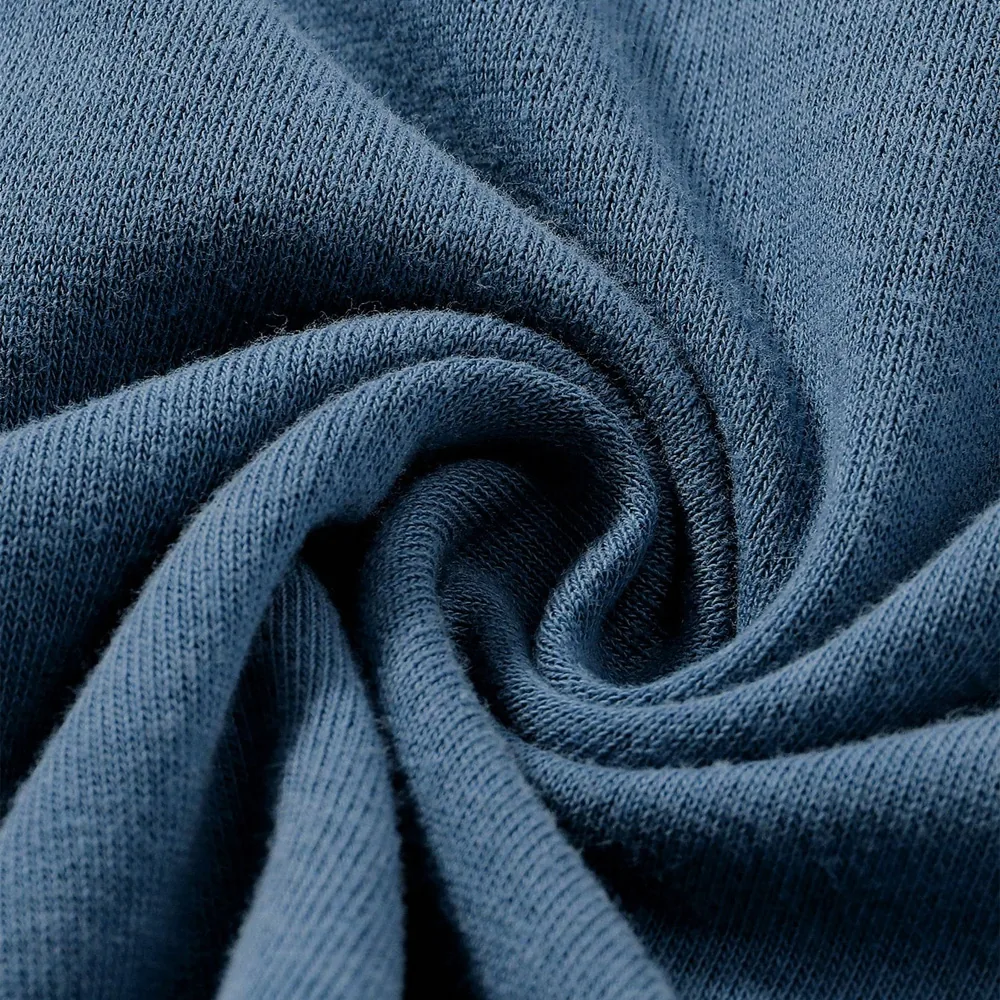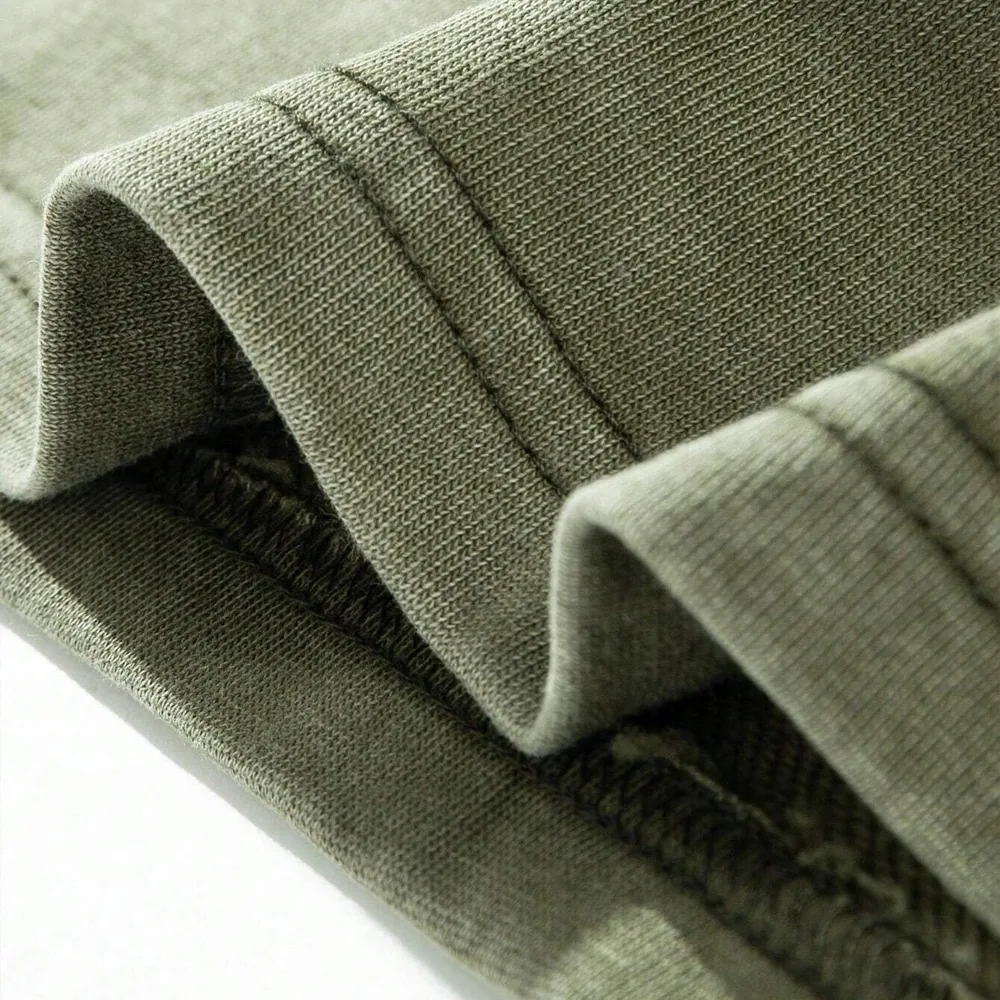
Decoration
Sublimation, screen print, embroidery or vinyl: how to decide
18 November 2025 · 6 min read
Four ways to get a logo onto a garment, each with a different cost curve, durability profile and set of things it simply cannot do.
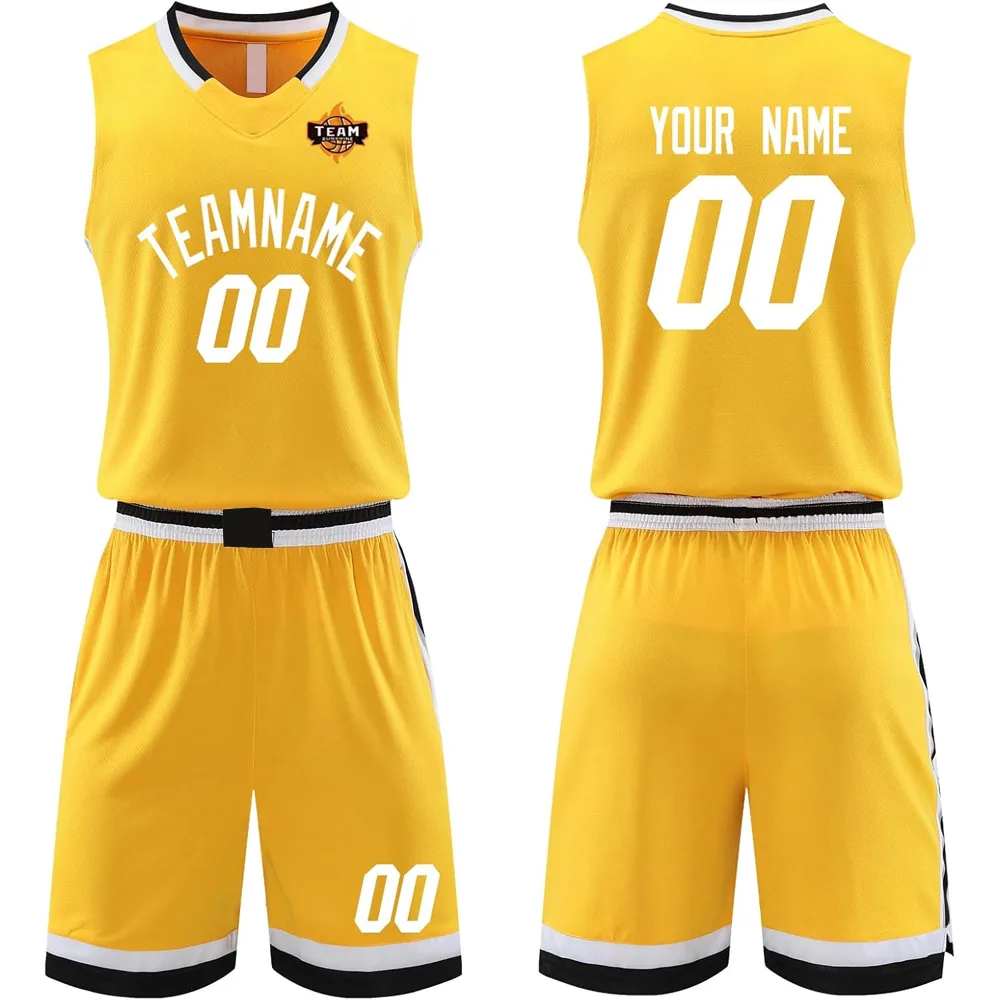
Decoration method is usually treated as a finishing decision. It is closer to a design constraint: it determines what artwork is possible, what the garment costs at your quantity, and how the branding ages.
Dye sublimation
Ink is converted to gas under heat and bonds into polyester fibre. The graphic becomes part of the fabric rather than sitting on it, so there is nothing to crack, peel or fade at the edges.
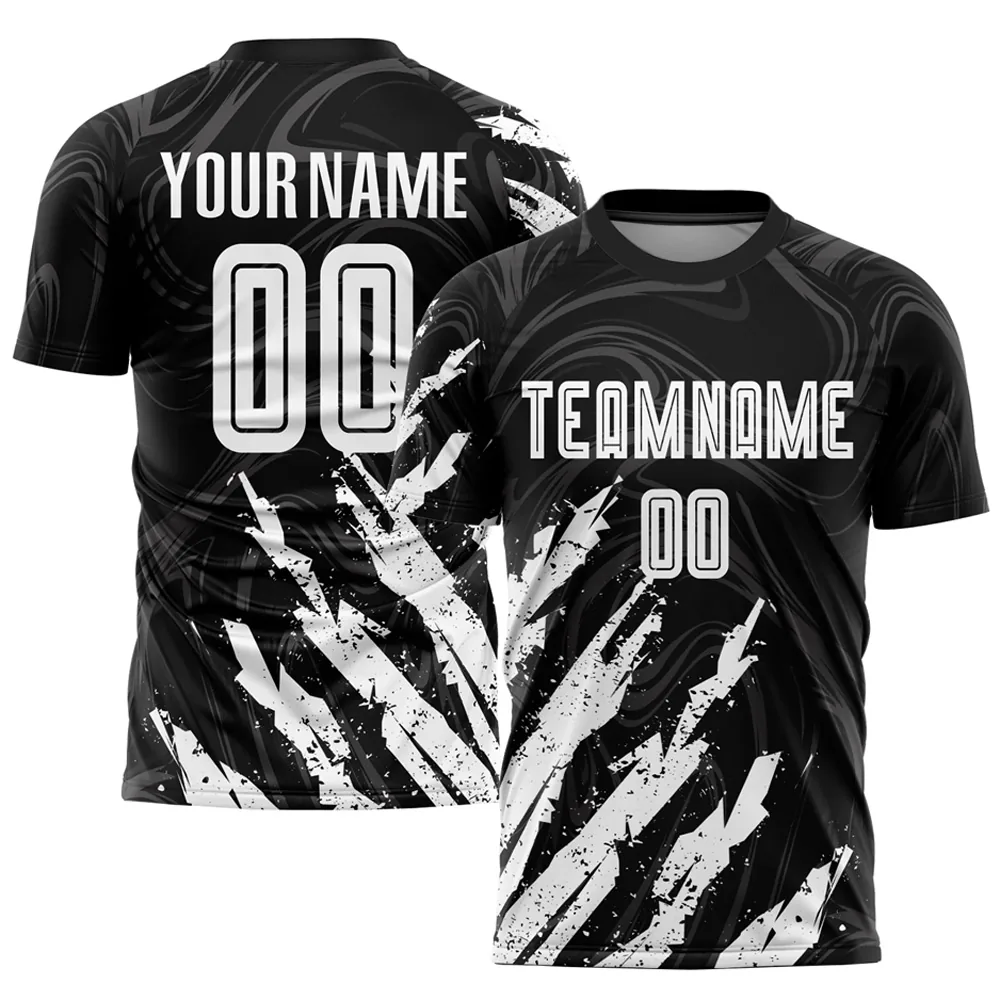
- Best for: full-coverage graphics, gradients, photographic detail, all-over patterns, team kits with names and numbers.
- Cost behaviour: largely flat regardless of colour count. A twelve-colour design costs what a two-colour design costs.
- Hard limits: polyester only, and it cannot produce white. White in a sublimated design is unprinted fabric, which means the base must be white where you want white.
- Usually printed on panels before assembly, so the design can run across seams.
Screen printing
Ink pushed through a stencilled mesh, one screen per colour. The default for logo and graphic work on cotton and blends.
- Best for: bold, flat, limited-colour graphics on cotton. Excellent opacity, including white on dark.
- Cost behaviour: a setup cost per colour, then very cheap per piece. Economics improve sharply with quantity and worsen sharply with colour count.
- Hard limits: gradients and photographic detail are difficult. Every additional colour is another screen and another registration step.
- Placement is limited to flat printable areas. It cannot cross a bulky seam.
Embroidery
Thread stitched directly into the fabric from a digitised file. The most durable option and the one that reads as most substantial.
- Best for: chest logos, crests, caps, polos, corporate and workwear branding, anything that should feel premium.
- Cost behaviour: priced by stitch count, plus a one-off digitising charge. Large designs get expensive quickly.
- Hard limits: fine detail and small text do not survive. Gradients are not possible. It adds weight and stiffness, which matters on lightweight performance fabric.
Heat transfer and cut vinyl
A film cut or printed, then heat-pressed onto the garment.
- Best for: names and numbers, short runs, one-offs, per-garment personalisation.
- Cost behaviour: little or no setup, higher per piece. Wins at low quantity, loses at volume.
- Hard limits: sits on the surface, so it is the least durable of the four. Reduces breathability over its area, which matters on a large graphic.
A single garment often uses more than one method: a sublimated body, an embroidered crest, and vinyl names and numbers applied per player. These are not mutually exclusive choices.
Deciding quickly
- 01Is the fabric polyester and does the design cover a large area with more than three colours? Sublimation.
- 02Is it a bold graphic in one to four colours on cotton, in reasonable quantity? Screen print.
- 03Is it a small logo that should feel substantial and last for years? Embroidery.
- 04Is it per-garment personalisation, or a run too small to justify setup? Heat transfer or vinyl.
If the answer is genuinely unclear, send the artwork and the quantity. The right method is usually obvious once someone can see both together.