Private Label
How to start a sportswear brand: the manufacturing side
21 October 2025 · 8 min read
The branding and the storefront are the visible part. This is the sequence underneath it: what to decide first, what to spend on, and where new brands lose money.
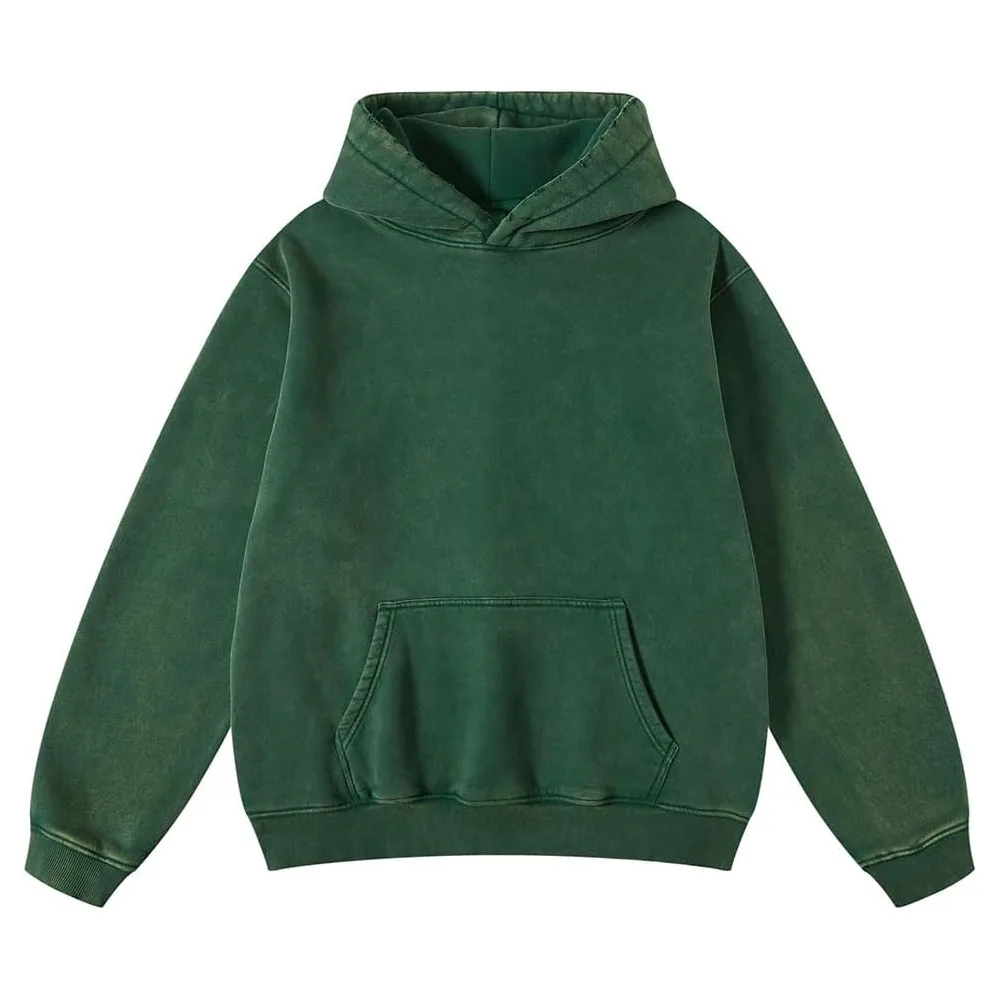
Most guides to starting an apparel brand spend their length on positioning and social media. That work matters, but it is not what determines whether the first order arrives correct. This is the part underneath.
Start narrower than feels comfortable
The most common first-collection mistake is breadth. Eight styles across four categories means eight patterns, eight sample rounds, eight sets of fabric minimums and eight chances to be wrong. Two or three styles you genuinely believe in will teach you more and cost less.
Depth beats breadth commercially too. A hoodie in four colourways is a better first order than four different garments in one colourway each. It concentrates your fabric buy and gives you real data on what sells.
Decide the end use before the aesthetic
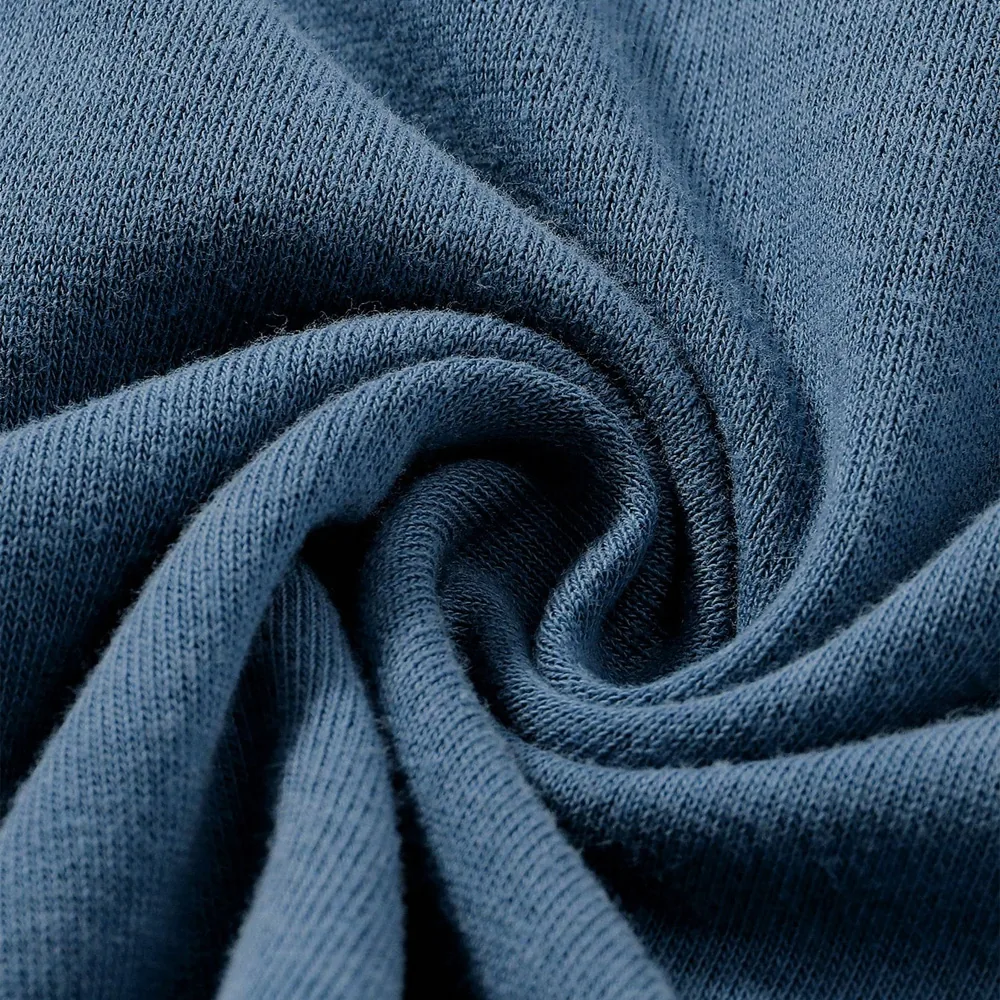
A training top worn in a hot gym and a lifestyle top worn to the gym are different garments with different fabrics, even if they look similar on a mood board. Deciding which one you are making settles the fabric conversation immediately.
Get physical references in front of the factory
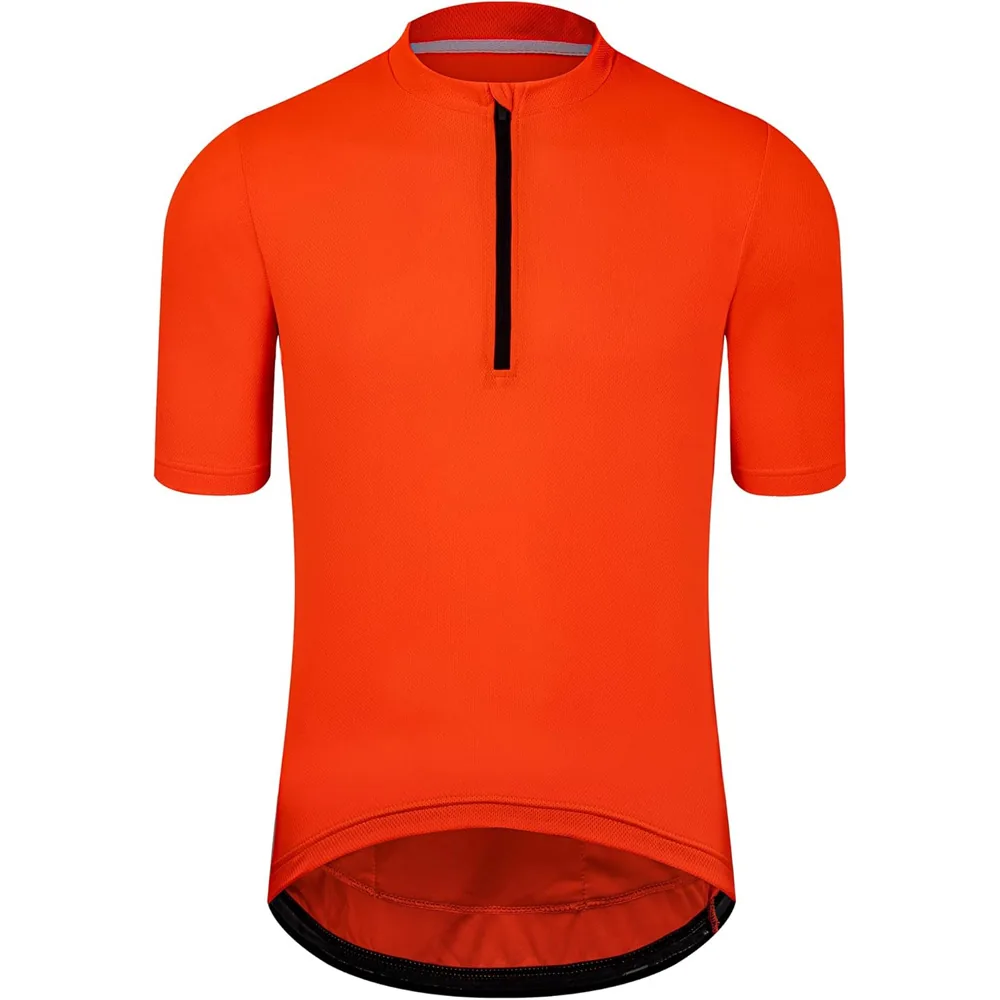
A garment you already own communicates fit, weight, hand feel and construction in a way no description can. Send the reference and be specific about what you want kept and what you want changed. "This fit, this weight, but a longer body and a heavier ribbing" is an excellent brief.
Sending a reference is not asking a factory to copy a brand. It is establishing a construction baseline. A manufacturer should be developing to your specification, not reproducing someone else’s trademarked design or branding.
Budget for sampling as a real line item
New brands routinely budget for production and treat sampling as an afterthought. Expect more than one round. The first sample tells you what you actually asked for as opposed to what you meant; the second is where the garment gets good.
Treat a sample that comes back wrong as information rather than a failure. What matters is whether the corrections you asked for appear in the next one.
Understand what actually drives your cost
- Fabric is usually the largest single component, and it is priced by consumption. An oversized fit costs more in fabric than a regular one.
- Colourway count fragments your fabric buy and typically costs more than adding units in an existing colour.
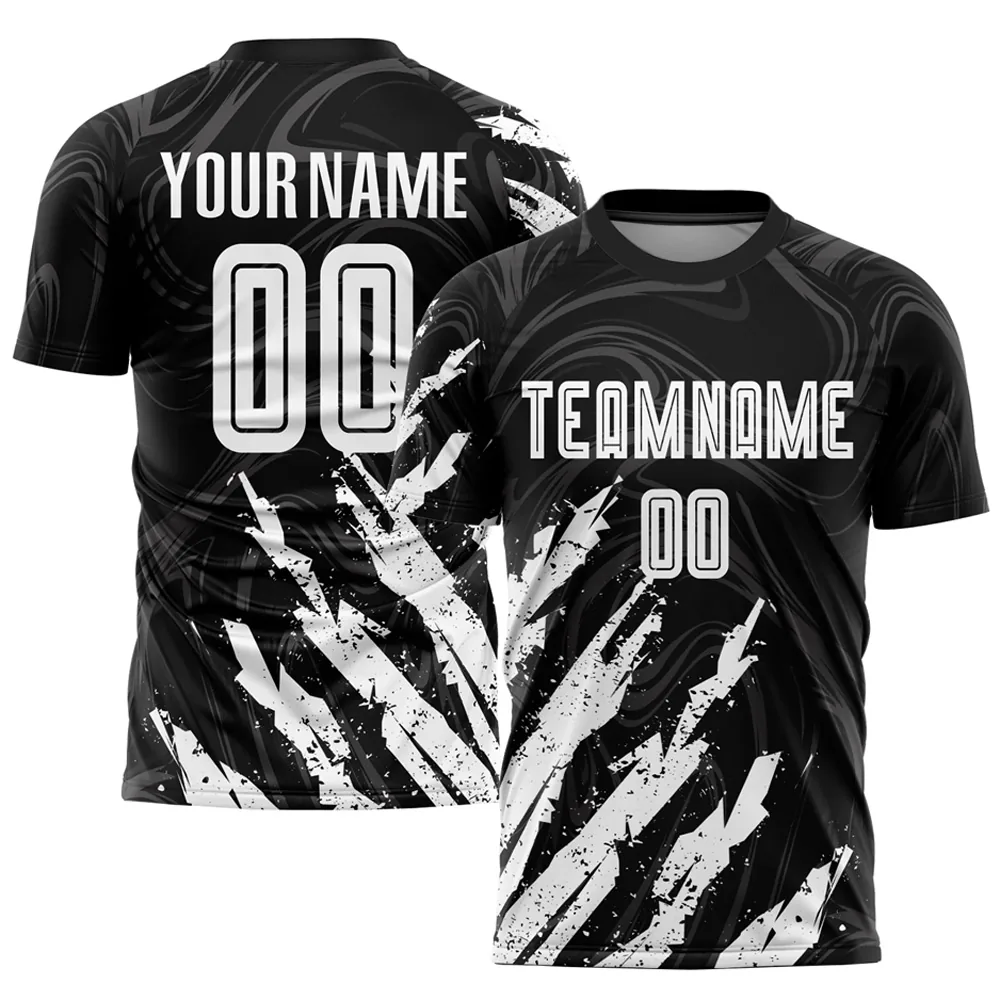
- Decoration setup is a fixed cost spread across the run, so it hurts most at low quantity.
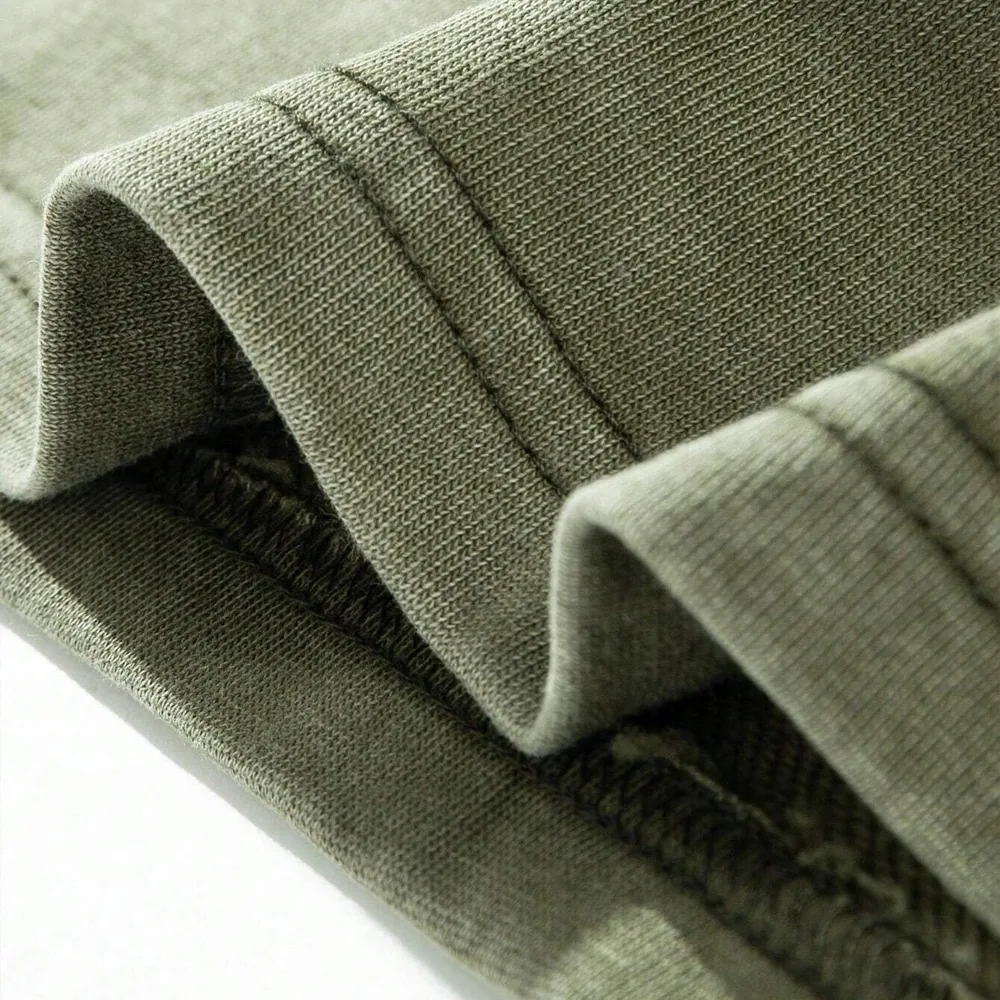
- Construction complexity is real labour. Panel count, zips, linings and pockets each add operations.
- Packaging and labelling are frequently forgotten until the quote arrives.
Sort your labelling before bulk, not during
Neck labels, care labels, hang tags and polybag artwork all have their own lead times and their own minimums, and they are commonly what holds a finished order at the packing stage. Have artwork and care content finalised before bulk starts.
Care labelling requirements differ by destination market. Check what your market requires rather than assuming the factory knows where you are selling.
A workable first sequence
- 01Pick two or three styles and define the end use for each.
- 02Gather physical references and note what to keep and what to change.
- 03Brief the factory and agree fabric from actual swatches.
- 04Sample, review against your own points of measure, correct, and re-sample if needed.
- 05Approve a sample formally. This becomes the production reference.
- 06Finalise labelling and packaging artwork.
- 07Confirm the size and colour split, then place bulk.
None of this is fast, and a factory that promises it will be is telling you something. The brands that last treat the first production run as the start of a working relationship rather than a transaction.