Manufacturing
From sample to bulk: what actually happens
30 September 2025 · 6 min read
The gap between an approved sample and a correct production run is where most orders go wrong. Here is what sits in that gap and what to ask about it.
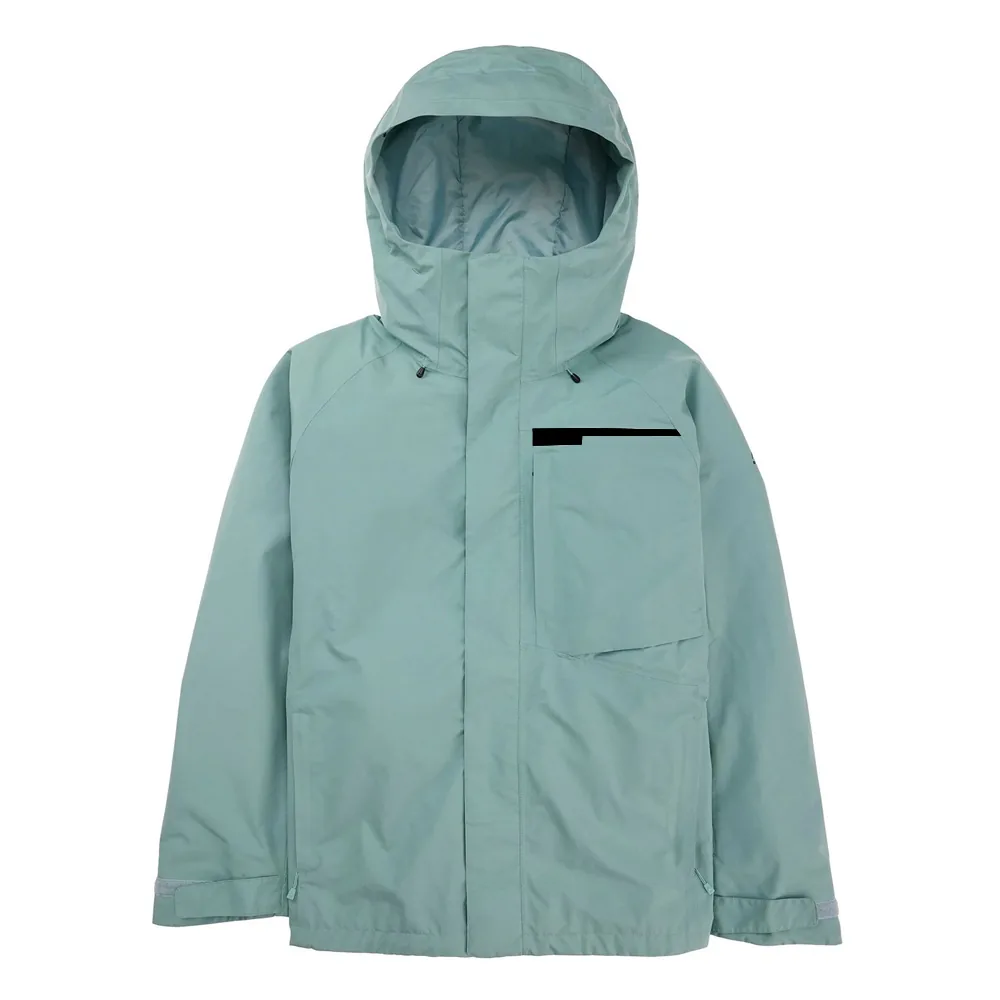
A good sample proves a garment can be made. It does not prove a thousand of them can be made the same way. The distance between those two things is where sourcing relationships are actually tested.
The approved sample becomes a measuring stick
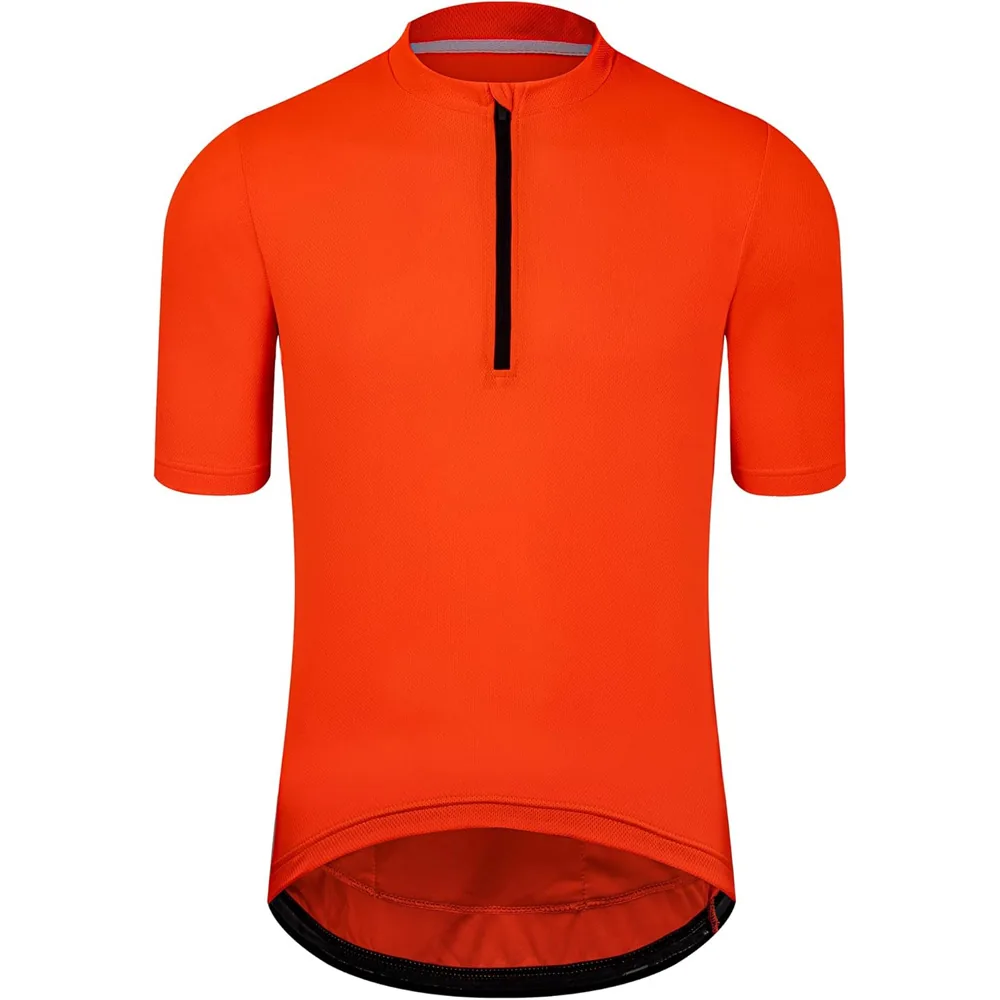
Once you sign off a sample, it stops being a prototype and becomes the reference. Every bulk garment should be measurable against it. This is worth being explicit about: ask what happens to the approved piece and what tolerance production is held to.
Fabric arrives and gets checked
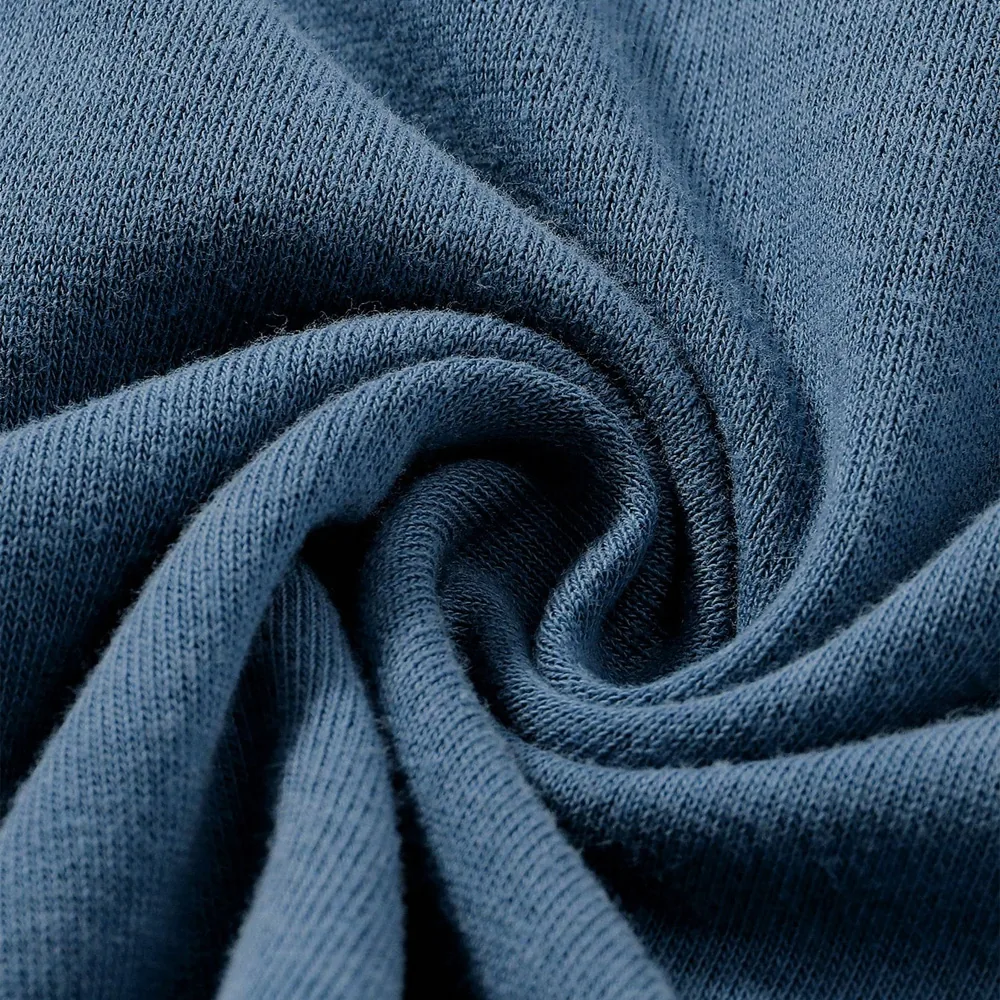
Bulk fabric is a different roll from the sample yardage. Shade varies between dye lots, and that variation is normal rather than a defect, which is exactly why it needs to be caught before cutting rather than after. Ask whether bulk fabric is shade-checked against the approved sample.
Cutting happens in lays, not one at a time
Fabric is spread in stacked layers and cut through the whole lay at once against a planned marker. This is what makes a run consistent, and it is also the point at which a pattern error becomes several hundred pattern errors. Marker planning also determines fabric consumption, which is why an oversized fit costs more in material.
Decoration usually comes before assembly
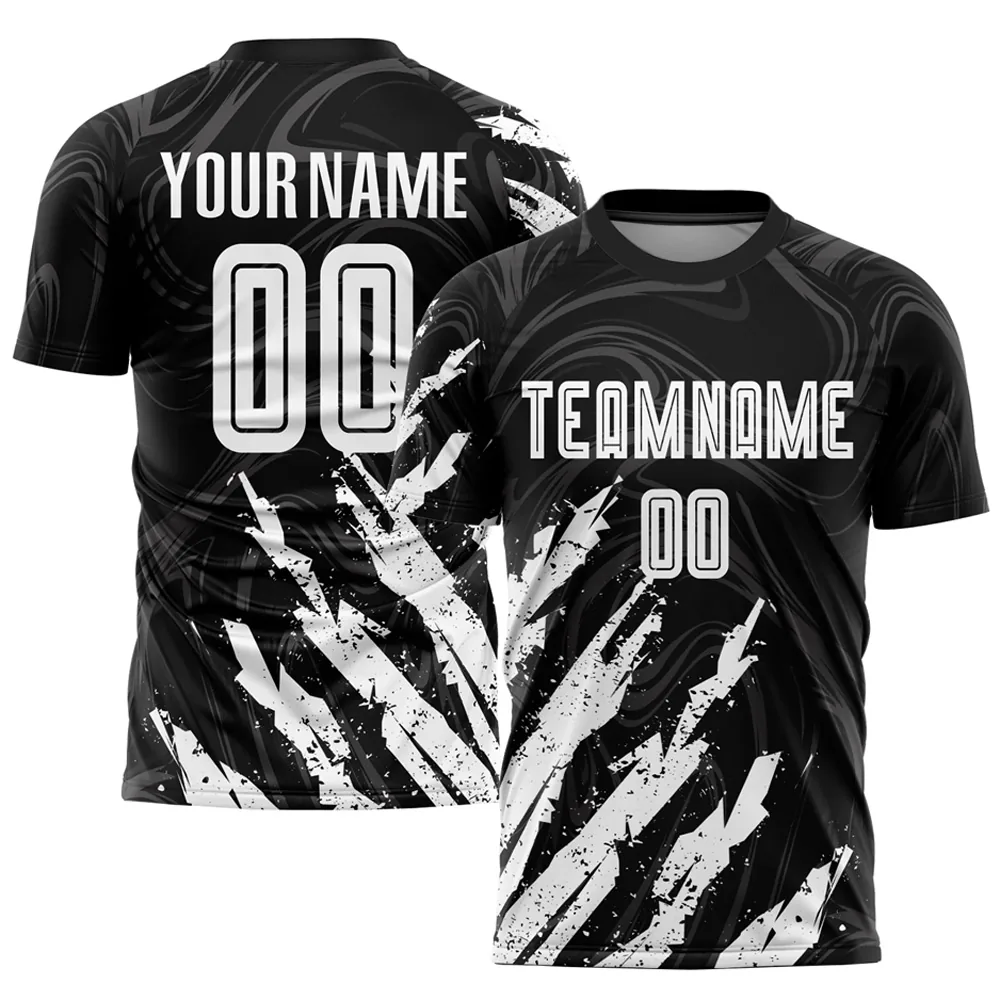
Sublimation is printed onto panels before they are sewn, which is what allows a graphic to run across a seam. Screen printing and embroidery are also frequently done flat, because a flat panel is easier to register accurately than an assembled garment. This ordering matters to you because it means artwork problems must be resolved before stitching starts, not during.
Assembly is a sequence of operations
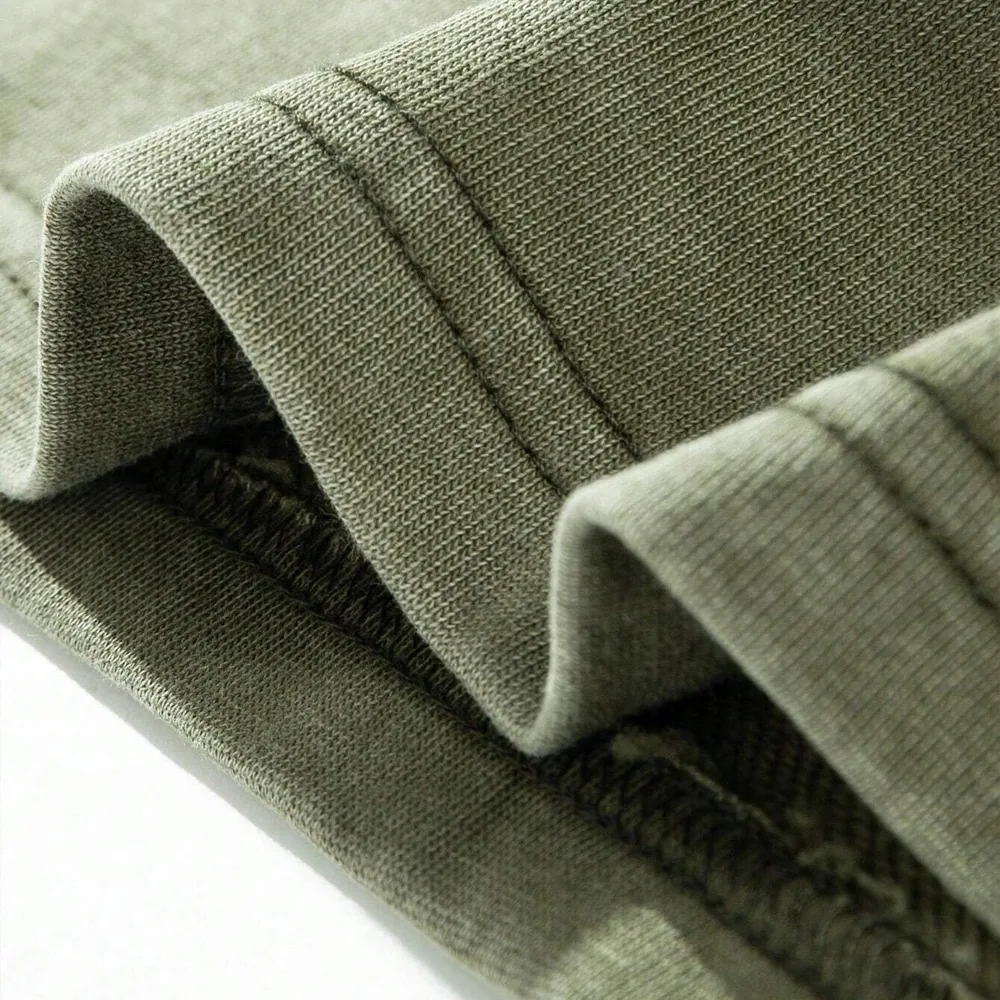
A garment is not sewn by one person start to finish. It moves through a line of operations (shoulder seams, sleeves, side seams, hem, cuffs, neck, labels), each done repeatedly. Consistency comes from the sequence being fixed and matching the approved construction.
This is the practical argument for in-house stitching. When cutting, decoration and assembly sit on one floor, a problem found at stitching can be traced back to cutting the same day rather than across three subcontractors and a week.
Inspection before packing, not after
Garments are inspected and measured against the approved sample, and anything outside tolerance is pulled and corrected. Inspection after packing is theatre. The cost of unpacking means it rarely results in anything being pulled.
Packing is part of the product
Folding, bagging, labelling and carton marking are where a private-label order either arrives retail-ready or arrives as a job for your warehouse. Specify it in advance: fold method, polybag artwork, whether garments are packed by size or assorted, and how cartons are marked.
What to ask before you place bulk
- What tolerance is production measured to against the approved sample?
- Is bulk fabric shade-checked before cutting?
- Which processes happen in-house and which are subcontracted?
- At what stage is inspection carried out, and against what?
- How are cartons packed and marked?
The answers matter less than whether they are specific. A factory that answers these precisely is describing a process it actually runs.